by Petronax Petronax No Comments

Boost Diesel Power Fast With a Proven Cetane Improver

Cetane improver additives are among the most important tools in diesel fuel production. They raise the cetane number of diesel fuel, which directly controls how fast and cleanly the fuel ignites inside the engine. Without a sufficient cetane number, diesel engines run louder, produce more harmful emissions, and wear out faster. For this reason, refineries, fuel blenders, and fuel distributors rely on a certified cetane improver to bring their diesel fuel to specification — and to keep it there.

This page explains what cetane improvers are, why the global fuel industry needs them, and how INTRON® cTane — supplied by PETRONAX Europe GmbH — delivers proven ignition quality improvement across all grades of diesel fuel.

What a Cetane Improver Does and Why Ignition Quality Is Critical

The cetane number (CN) is the primary measure of diesel fuel ignition quality. It quantifies the ignition delay: the time between fuel injection and the start of combustion in the cylinder. A higher cetane number means a shorter delay. A lower number means the fuel waits too long before it ignites. As a result, unburned fuel accumulates in the combustion chamber before it finally ignites all at once.

That uncontrolled ignition event causes diesel knock: a sharp, percussive noise that signals mechanical stress and incomplete energy release. Furthermore, incomplete combustion generates elevated concentrations of nitrogen oxides (NOx), carbon monoxide (CO), and fine particulate matter (PM2.5). These are exactly the pollutants that Euro VI, EPA Tier 4, and equivalent regulations worldwide target. In addition, prolonged ignition delay accelerates injector fouling and shortens engine service life. Therefore, low cetane quality creates both an environmental and a financial burden.

The European standard EN 590 requires a minimum cetane number of 51 for road diesel. Premium and arctic-grade specifications require 55 or above. Many blending components — including catalytic cycle oils, hydrocracked distillates, and high-aromatic streams — fall naturally below these thresholds. Consequently, meeting the specification without additives is often impossible. This is precisely where a cetane improver becomes essential.

A cetane improver is a chemical additive that shortens ignition delay by intervening in the fuel’s combustion chemistry. Refineries and blenders add it at treat rates typically between 200 and 2 000 ppm. At these concentrations, the additive raises the measured cetane number of the finished fuel to specification. Moreover, it does this without significantly affecting other key properties such as density, viscosity, or cold filter plugging point. That makes it a precise and cost-effective solution.

How Cetane Improvers Work: The Chemistry Behind Faster Ignition

The mechanism of a cetane improver begins under the extreme conditions of diesel compression. At temperatures above 500 °C and pressures above 40 bar, the additive molecule decomposes thermally. This decomposition releases highly reactive free radicals. These radicals immediately start the hydrocarbon oxidation chain reaction that produces combustion. Specifically, they do so earlier in the compression stroke than the base fuel would achieve on its own.

As a result, ignition begins sooner. Combustion proceeds more completely. The uncontrolled pressure spike that causes diesel knock disappears. In addition, more complete combustion means less soot, less CO, and lower NOx output. Engines run smoother and quieter. Injection system components experience less thermal and mechanical stress. Therefore, the benefits of a cetane improver extend well beyond emissions: they also translate into measurable savings on maintenance and fuel.

The most proven compound in this product category is 2-ethylhexyl nitrate (2-EHN), an organic nitrate ester with decades of validated industrial use. 2-EHN decomposes reliably across all distillate grades, including ultra-low sulphur diesel (ULSD), biodiesel blends up to B20, gas-to-liquid (GTL) components, and winter arctic grades. Its response curve is well characterised, so refineries and blenders can predict the cetane number uplift at any given treat rate. This predictability makes 2-EHN-based cetane improver products the industry standard for controlled ignition quality management.

Furthermore, the global regulatory framework reinforces the need for this product category. EN 590:2022, ASTM D975, Euro VI, and IMO MARPOL Annex VI all set cetane minimums or emission limits that certified fuel must meet. In practice, compliant fuel production in many markets is not achievable without a cetane improver at some stage of the blending process.

INTRON® cTane: A Proven Cetane Improver Supplied by PETRONAX Europe

INTRON® cTane is a high-performance cetane improver formulated on the basis of 2-ethylhexyl nitrate and supplied by PETRONAX Europe GmbH. PETRONAX developed this product specifically for refineries and fuel distributors that need consistent, measurable cetane number uplift across demanding operational conditions. INTRON® cTane performs across all grades of road, off-road, marine, and arctic diesel fuel. It delivers reliable results regardless of the base fuel composition or blending complexity.

Measurable Impact on Engine Performance and Emissions

When PETRONAX customers treat diesel with INTRON® cTane, the combustion profile changes in measurable ways. Ignition delay shortens. Combustion becomes more complete. As a result, engines running on treated fuel produce up to 15% less NOx, alongside significant reductions in particulate matter and unburned hydrocarbons. In addition, diesel knock disappears: engine operation becomes quieter and smoother. Therefore, injection systems and engine components last longer, and maintenance intervals extend. For fleet operators, this directly reduces total cost of ownership.

Regulatory Compliance Across Major International Standards

INTRON® cTane enables diesel fuel to meet or exceed the standards that regulators and customers require. Specifically, it supports compliance with EN 590:2022 for European road diesel, ASTM D975 for North American markets, Euro VI emission limits for heavy-duty vehicles, and IMO MARPOL Annex VI for marine distillate fuels. The product is REACH-compliant. PETRONAX provides a full regulatory dossier including SDS, Certificate of Analysis, and technical data sheet as standard.

Supply Chain Designed for Industrial Customers

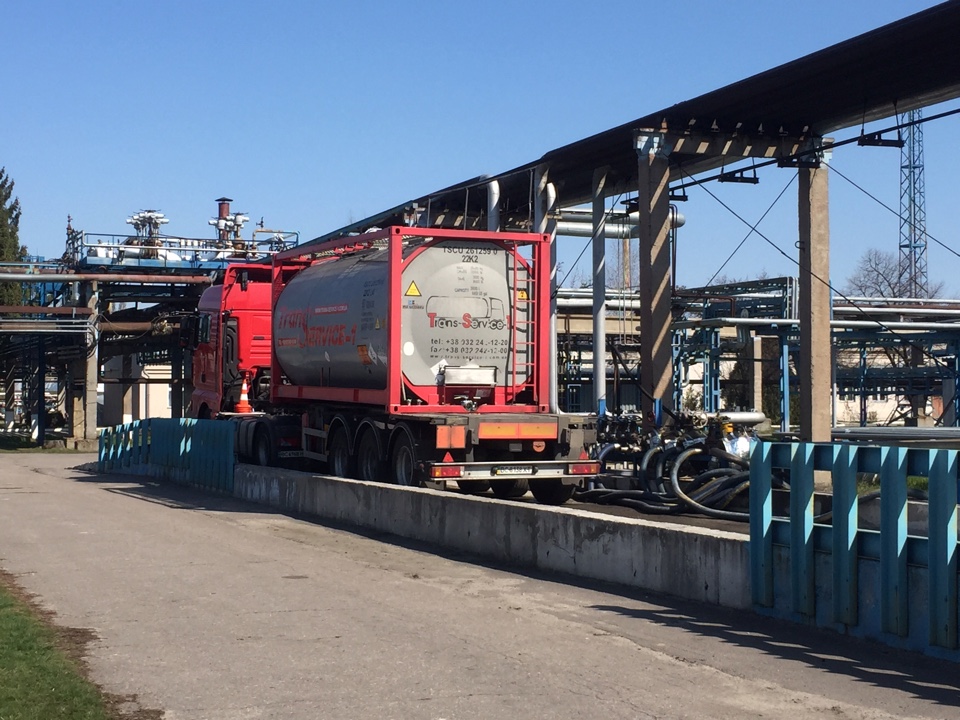
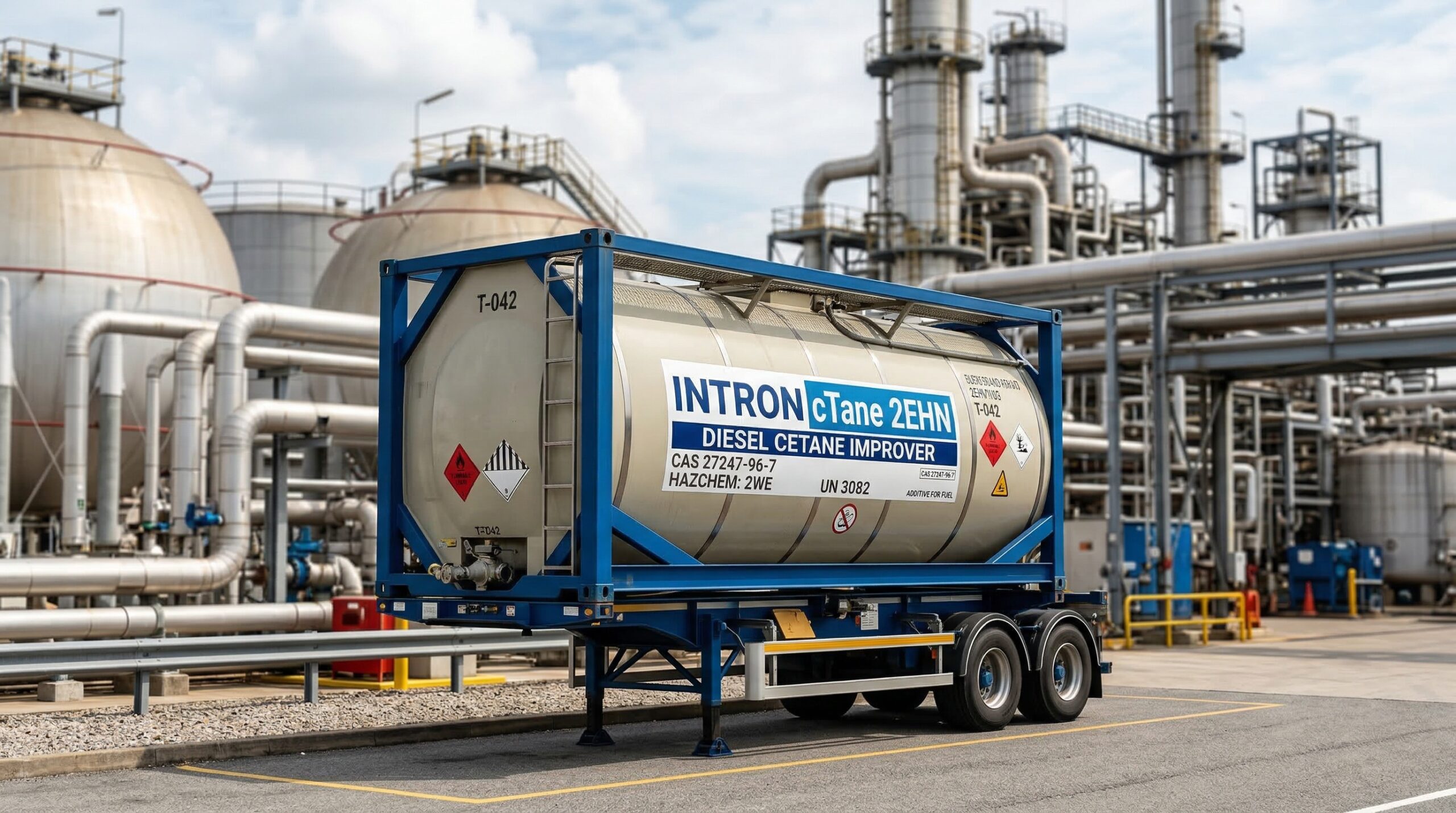
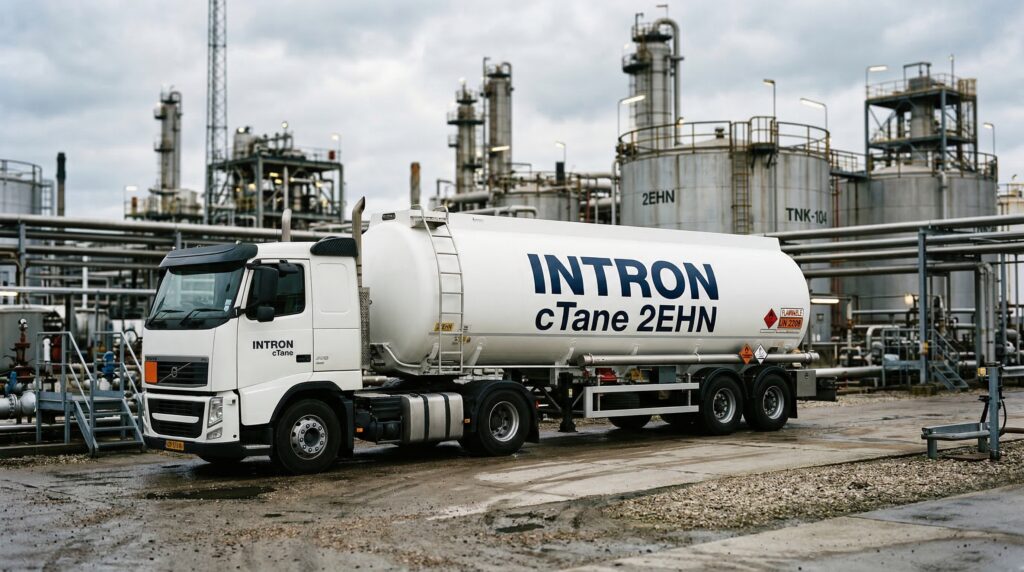
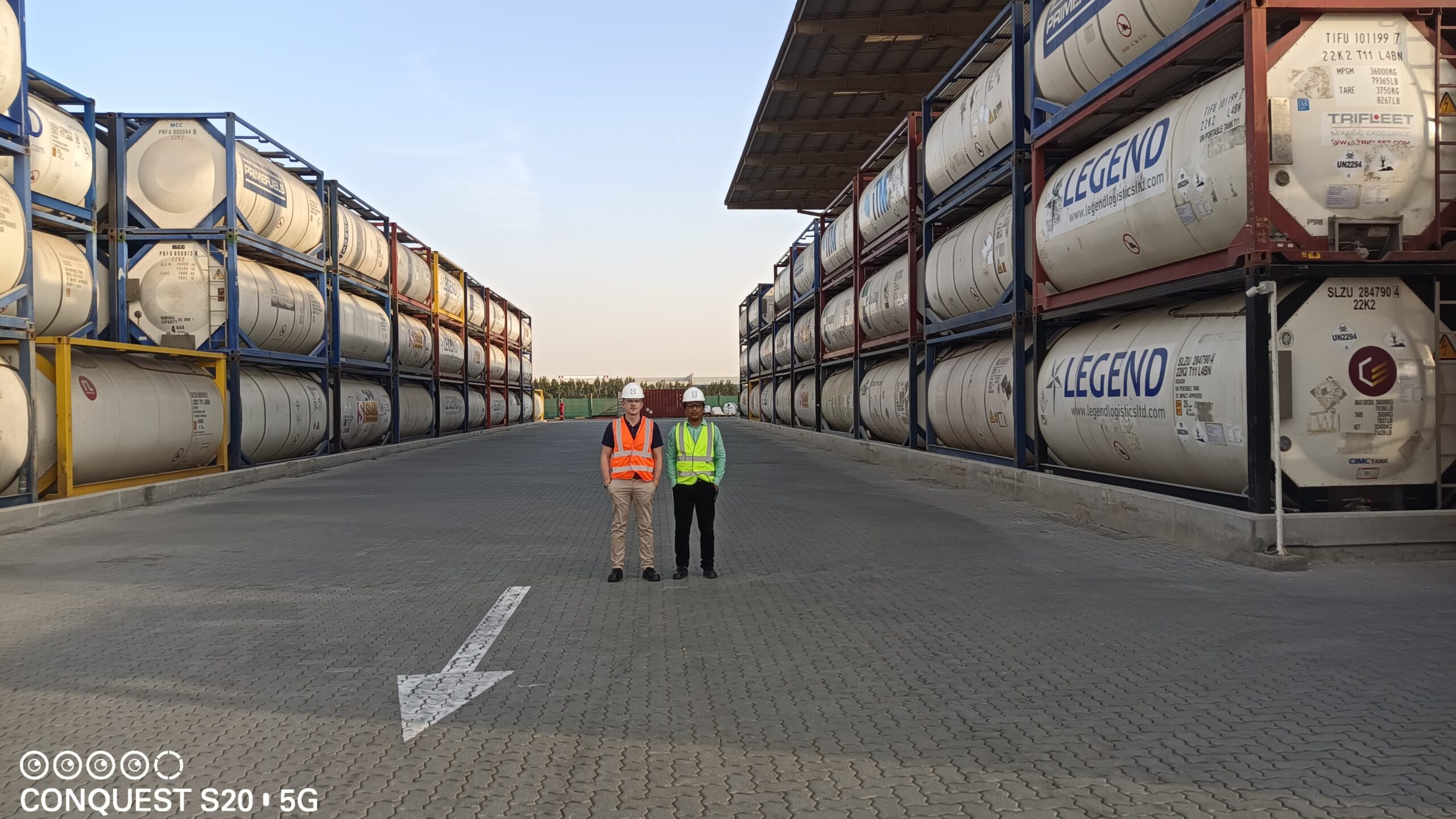
PETRONAX Europe supplies INTRON® cTane in IBC containers (1 000 L), ISO tank containers (20 000 L and above), and bulk tanker quantities. Bonded customs storage and T1 transit procedures are available through key European logistics hubs, including the ADPO terminal at Kallo, Belgium. Moreover, transatlantic shipments to North American markets use full AMS/ISF customs documentation for compliant import. In addition, PETRONAX provides technical dosage consultation so that customers achieve their target cetane number at the lowest possible treat cost.

Why a Certified Cetane Improver Is a Core Component of Modern Diesel Fuel Production

Cetane quality is not a secondary specification. It determines whether diesel fuel burns efficiently, whether emissions stay within legal limits, and whether engines operate reliably over their full service life. Therefore, selecting the right cetane improver is as important as any other decision in fuel formulation. Specifically, it must deliver predictable CN uplift, work across the intended fuel grades, and come with the regulatory documentation that customers and auditors demand.INTRON® cTane from PETRONAX Europe meets all of these requirements. It is a chemically proven, industrially validated cetane improver additive that raises cetane number reliably and reduces harmful emissions measurably. Furthermore, it is backed by flexible logistics, complete regulatory documentation, and dedicated technical support. As a result, refineries, fuel blenders, and distributors can produce superior diesel fuel — consistently and cost-effectively — in compliance with every major diesel fuel standard in use today. Contact PETRONAX Europe GmbH to request the INTRON® cTane technical data sheet or a dosage recommendation for your base fuel
by Petronax Petronax No Comments

Cetane Improver for Diesel: Remarkable Results, Cleaner Emissions

Cetane improver INTRON cTane 2EHN

The Professional-Grade Cetane Booster Redefining Diesel Performance

In the world of diesel fuel optimization, one compound has earned a reputation for delivering measurable, consistent results across a wide range of engine applications: 2-ethylhexyl nitrate (2EHN). INTRON cTane 2EHN is a premium cetane improver built on this proven chemistry, offering diesel producers, blenders, and fleet operators a reliable tool to enhance fuel ignition quality, reduce emissions, and extend engine life. This article explores everything you need to know about INTRON cTane 2EHN — from its chemical foundation and mechanism of action, to its practical applications, safety profile, and competitive advantages.

What Is a Cetane Improver — and Why Does It Matter?

Cetane number (CN) is the primary measure of diesel fuel ignition quality. Much like the octane rating for gasoline, the cetane number indicates how readily a fuel ignites under compression in a diesel engine. The higher the cetane number, the shorter the ignition delay — and the smoother, more complete the combustion process.

Low-cetane diesel is associated with a range of performance and environmental problems:

  • Rough engine starts, especially in cold weather
  • Increased knocking and vibration
  • Higher emissions of nitrogen oxides (NOx), particulate matter (PM), and unburned hydrocarbons
  • Greater wear on fuel injectors and combustion chamber components
  • Reduced fuel efficiency and power output

A cetane booster — also called a cetane improver — is an additive blended into diesel fuel to raise its cetane number without altering its base chemistry. Among all available cetane improvers, 2-ethylhexyl nitrate (2EHN) is the most widely used, best-researched, and most cost-effective active ingredient on the market today.

2-Ethylhexyl Nitrate (2EHN): The Science Behind the Performance

Chemical Profile

2 Ethylhexyl nitrate is an organic nitrate ester derived from 2-ethylhexanol. Its molecular formula is C8H17NO3, and it is classified as a peroxide-forming compound due to its nitrate ester functional group. In pure form, it is a clear, colorless to slightly yellow liquid with a characteristic mild odor.

Key physical properties of 2-ethylhexyl nitrate include:

  • Molecular weight: 175.23 g/mol
  • Flash point: approximately 68°C (154°F) — classified as a flammable liquid
  • Boiling point: approximately 253°C at standard pressure
  • Density: approximately 0.96 g/cm³
  • Miscibility: fully miscible with diesel fuel and most hydrocarbon solvents

Mechanism of Action

The mechanism by which 2EHN functions as a cetane booster is well understood. When diesel fuel containing 2-ethylhexyl nitrate is compressed inside a diesel cylinder, the thermal energy generated causes the nitrate ester to decompose rapidly, releasing free radicals. These highly reactive species initiate the chain reactions that lead to fuel ignition.

In practical terms, the presence of 2EHN shortens the ignition delay period — the time between the start of fuel injection and the beginning of combustion. A shorter ignition delay translates directly to smoother, more controlled combustion, which is the hallmark of high-quality diesel performance. This is why 2-ethylhexyl nitrate is often described as an “ignition promoter” rather than simply a fuel additive.

Dose-Response Relationship

One of the key advantages of 2EHN as an active cetane improver ingredient is its predictable dose-response relationship. The cetane number improvement achieved per unit of additive is consistent and can be modeled accurately, allowing fuel technologists to formulate diesel blends that meet specific CN targets with minimal waste. Typical treat rates range from 500 to 3000 ppm by volume, depending on the base fuel quality and the target cetane number.

INTRON cTane 2EHN: Product Overview

Composition and Concentration

INTRON cTane 2EHN is formulated as a high-purity cetane booster concentrate based on 2-ethylhexyl nitrate. The product is engineered to deliver maximum active ingredient content while maintaining handling safety and blend stability across a wide range of temperatures and storage conditions. It is compatible with all grades of diesel fuel, including ULSD (Ultra-Low Sulfur Diesel), biodiesel blends (B5, B10, B20), and marine gas oil (MGO).

Product Features at a Glance

  • Active ingredient: 2-ethylhexyl nitrate (2EHN) at high purity
  • Physical state: clear liquid, ready for direct blending
  • Compatibility: suitable for all standard diesel grades and biodiesel blends
  • Stability: excellent thermal and oxidative stability in storage
  • Treat rate: flexible, from low-dose maintenance to full cetane correction
  • Compliant with EN 590, ASTM D975, and equivalent international diesel fuel standards

Applications

INTRON cTane 2EHN is designed for use across multiple sectors and applications where diesel fuel quality improvement is a priority:

  • Petroleum refinery operations — cetane number correction in refinery blending
  • Fuel terminal blending — on-spec blending for commercial diesel supply
  • Fleet operators — fuel treatment for heavy-duty trucking, construction, and mining fleets
  • Agricultural sector — performance improvement in farming equipment
  • Marine applications — cetane improvement in marine distillate fuels
  • Cold-climate operations — enhanced cold start performance in arctic and subarctic conditions
  • Racing and high-performance diesel — maximum power extraction from premium diesel engines

Performance Benefits of INTRON cTane 2EHN

1. Improved Cold Start Performance

One of the most tangible benefits of using a quality cetane improver like INTRON cTane 2EHN is improved cold-weather startability. Cold ambient temperatures extend the ignition delay in diesel engines, leading to hard starts, white smoke, and rough idling. By raising the cetane number, INTRON cTane 2EHN enables faster ignition under cold conditions, reducing wear associated with prolonged cranking and incomplete combustion during warm-up.

2. Smoother Combustion and Reduced Knock

Diesel knock — the audible rattling caused by excessively delayed ignition — is not only unpleasant but damaging to engine components. A higher cetane number, achieved through 2 Ethylhexyl nitrate treatment, reduces the ignition delay that causes knock, resulting in quieter, smoother combustion. This directly reduces stress on pistons, connecting rods, and bearings.

3. Lower Exhaust Emissions

Regulatory pressure on diesel emissions has never been greater. INTRON cTane 2EHN contributes to cleaner combustion by:

  • Reducing unburned hydrocarbon emissions through more complete fuel burn
  • Lowering particulate matter (PM) output by minimizing fuel-rich combustion zones
  • Decreasing white smoke (partially combusted fuel) during cold start and warm-up
  • Supporting compliance with Euro VI, EPA Tier 4, and other emissions standards

4. Fuel Economy Improvement

More complete and efficient combustion means more energy extracted per unit of fuel. Fleet operators using INTRON cTane 2EHN as a cetane booster regularly report measurable improvements in fuel consumption — particularly in stop-start urban driving conditions where ignition quality has the greatest impact.

5. Extended Engine and Injector Life

Rough combustion caused by low cetane diesel accelerates mechanical wear. By ensuring smoother ignition, INTRON cTane 2EHN reduces peak pressure spikes inside the combustion chamber, easing the load on injectors, rings, and other critical components. Over time, this translates to reduced maintenance costs and longer service intervals.

Safety, Handling, and Regulatory Compliance

Safety Profile of 2-Ethylhexyl Nitrate

Like all organic nitrate esters, 2-ethylhexyl nitrate requires proper handling procedures. INTRON cTane 2EHN is supplied with a full Safety Data Sheet (SDS/MSDS) in accordance with GHS (Globally Harmonized System) requirements. Key safety considerations include:

  • Classification: flammable liquid (Category 3); may intensify fire (oxidizer)
  • Storage: keep away from heat, sparks, and open flames; store in a cool, well-ventilated area
  • PPE: chemical-resistant gloves, eye protection, and appropriate respiratory protection when handling in confined spaces
  • Spill response: absorb with inert material; do not use combustible absorbents
  • Disposal: in accordance with local, regional, and national regulations for organic nitrate waste

Regulatory Status

INTRON cTane 2EHN is formulated to comply with the requirements of major diesel fuel standards, including EN 590 (European standard for automotive diesel) and ASTM D975 (North American standard). The active compound, 2 Ethylhexyl nitrate, is a registered chemical under REACH (Registration, Evaluation, Authorisation and Restriction of Chemicals) regulations in the European Union and is listed in the TSCA (Toxic Substances Control Act) inventory in the United States.

How to Use INTRON cTane 2EHN: Dosing and Blending

Recommended Treat Rates

The optimal treat rate for INTRON cTane 2EHN depends on the base fuel cetane number and the target specification. As a general guideline:

  • Maintenance dosing (minor improvement, +2 to +4 CN): 500–1000 ppm by volume
  • Standard correction (moderate improvement, +4 to +6 CN): 1000–2000 ppm by volume
  • Full correction (significant improvement, +6 to +10 CN): 2000–3000 ppm by volume

For precise dose calculations, INTRON technical specialists can provide customized treat-rate modeling based on fuel analysis data.

Blending Process

INTRON cTane 2EHN is designed for straightforward, direct blending into diesel fuel using standard additive injection equipment. Its excellent miscibility with hydrocarbon fuels ensures rapid, homogeneous distribution without the need for additional blending aids or heat. It can be injected inline during fuel transfer or added directly to storage tanks.

Quality Control

Each batch of INTRON cTane 2EHN is subject to rigorous quality control testing, including purity verification by GC (gas chromatography), density measurement, flash point testing, and active ingredient content confirmation. Certificate of Analysis (CoA) documentation is provided with every shipment.

INTRON cTane 2EHN vs. Alternative Cetane Improvers

The market for cetane boosters includes a range of chemistries, including di-tert-butyl peroxide (DTBP), alkyl nitrates other than 2EHN, and proprietary cetane packages. INTRON cTane 2EHN stands out for several reasons:

  • Higher active content — delivers more cetane-improving chemistry per kilogram compared to diluted or blended alternatives
  • Proven track record — 2-ethylhexyl nitrate has decades of field validation across commercial and industrial applications
  • Broad compatibility — works with ULSD, biodiesel blends, and marine fuels without filter plugging or compatibility issues
  • Regulatory alignment — compliant with all major international fuel standards
  • Predictable performance — well-understood dose-response curve makes blending calculations straightforward and reliable

Frequently Asked Questions

Is INTRON cTane 2EHN safe for modern high-pressure common rail (HPCR) injection systems?

Yes. INTRON cTane 2EHN does not contain metallic or abrasive components that could damage precision injector components. Its chemistry is compatible with materials used in modern HPCR systems, including stainless steel, hardened alloys, and fuel-resistant elastomers.

Can INTRON cTane 2EHN be used with biodiesel blends?

Absolutely. 2-ethylhexyl nitrate is fully compatible with fatty acid methyl ester (FAME) biodiesel. In fact, because FAME biodiesels often have lower cetane numbers than petroleum diesel, the use of a cetane booster such as INTRON cTane 2EHN is particularly beneficial in B5, B10, and B20 blends.

How quickly does INTRON cTane 2EHN take effect after blending?

INTRON cTane 2EHN begins acting from the very first combustion cycle after treated fuel is introduced into the engine. There is no break-in or accumulation period required. Performance improvements in cold-start behavior, combustion smoothness, and emissions are typically observable immediately.

Does 2EHN affect diesel lubricity?

2-ethylhexyl nitrate at typical treat rates does not significantly affect diesel lubricity. For applications where lubricity is a concern — such as ULSD fuels, which have had lubricity-providing sulfur compounds removed — INTRON recommends combining cTane 2EHN with an appropriate lubricity improver additive.

Conclusion: The Standard in Diesel Cetane Improvement

INTRON cTane 2EHN represents the gold standard in cetane booster technology. Built on the proven chemistry of 2-ethylhexyl nitrate, it delivers reliable, measurable improvements in diesel ignition quality — whether you are a refinery blender targeting specification compliance, a fleet manager seeking fuel economy gains, or an engine OEM pursuing lower emissions certification.

As global diesel quality standards continue to tighten and the demands placed on diesel engines continue to grow, a high-performance cetane improver is no longer a luxury — it is a necessity. INTRON cTane 2EHN provides the consistent, high-purity 2 Ethylhexyl nitrate performance that fuel professionals and engine operators depend on.

For technical data sheets, safety documentation, pricing, and sampling requests, contact your INTRON regional representative.

Keywords: cetane improver, 2-ethylhexyl nitrate, cetane booster, 2 Ethylhexyl nitrate, INTRON cTane 2EHN, diesel fuel additive, diesel performance, ignition quality, diesel cetane number

by Petronax Petronax No Comments

INTRON dFlow: The Ultimate Cold Flow Improver for Winter Diesel

Cold Flow Improver Solutions with PETRONAX INTRON dFlow

Cold weather brings unique challenges to diesel engines as paraphins within the diesel fuel starts to crystallize, causing gelling that clogs fuel lines and disrupts performance. PETRONAX emerges as a reliable solution provider with its innovative INTRON dFlow, a premier cold flow improver designed to maintain diesel flow in the harshest winter conditions. This exceptional additive alters wax crystal formation to prevent blockages, ensuring engines operate seamlessly when temperatures drop. PETRONAX, a respected company in the oil and refinery industry, leverages extensive expertise to develop products that elevate fuel quality and extend engine life.
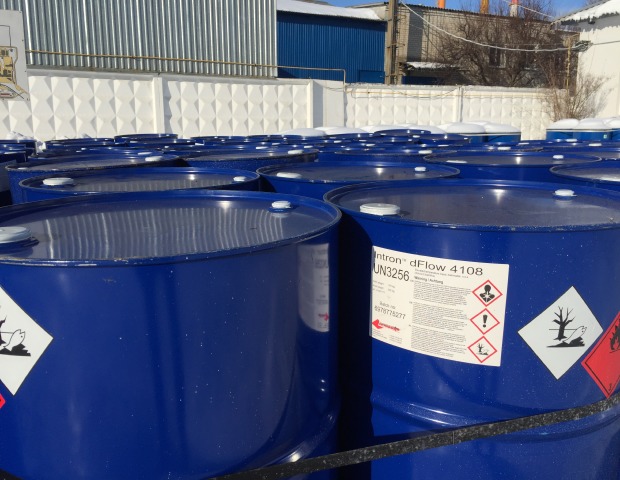
INTRON dFlow distinguishes itself with a powerful blend of polymers, effectively reducing the cold filter plugging point and pour point of diesel fuel. A modest dosage of 100 to 500 ppm delivers remarkable improvements, offering a cost-effective option for refineries and fuel distributors worldwide. Its adaptability shines through as it blends effortlessly with other additives like detergents and cetane improvers, providing a versatile solution for fuel enhancement. PETRONAX engineers INTRON dFlow to replace the outdated and expensive practice of kerosene blending, delivering superior results without breaking the bank.

The advantages of this cold flow improver go beyond mere performance. INTRON dFlow cuts operational costs by preventing wax agglomeration, enhancing engine reliability during frigid months. It also supports environmental sustainability by reducing fuel waste and optimizing combustion efficiency, aligning with PETRONAX’s commitment to eco-friendly practices. The company ensures INTRON dFlow complies with modern regulatory standards, making it a preferred choice for industries prioritizing green solutions. PETRONAX stands out with its customer-centric approach, offering personalized guidance to help clients determine the ideal INTRON dFlow dosage based on specific fuel characteristics. Backed by a robust global distribution network, the product boasts a one-year shelf life, guaranteeing consistent availability to meet demand. This dedication to quality and support cements PETRONAX position as a trusted authority in cold flow improver technology.

Diesel users across transportation, agriculture, and construction rely on cold flow improvers to keep operations running smoothly in winter. PETRONAX addresses this need with INTRON dFlow, a product that combines innovation with practicality. The additive’s ability to maintain fuel flow in subzero temperatures protects engines from damage, saving time and money in the long run. PETRONAX invests in research to refine its formulations, ensuring INTRON dFlow remains at the forefront of cold weather fuel solutions. Customers appreciate the peace of mind that comes with using a product backed by a company known for reliability and excellence. As winter approaches, investing in a high-quality cold flow improver like INTRON dFlow becomes essential for uninterrupted diesel performance. PETRONAX continues to lead the way, delivering a solution that meets the demands of today’s fuel market while paving the path for a sustainable future

by Petronax Petronax 21 Comments

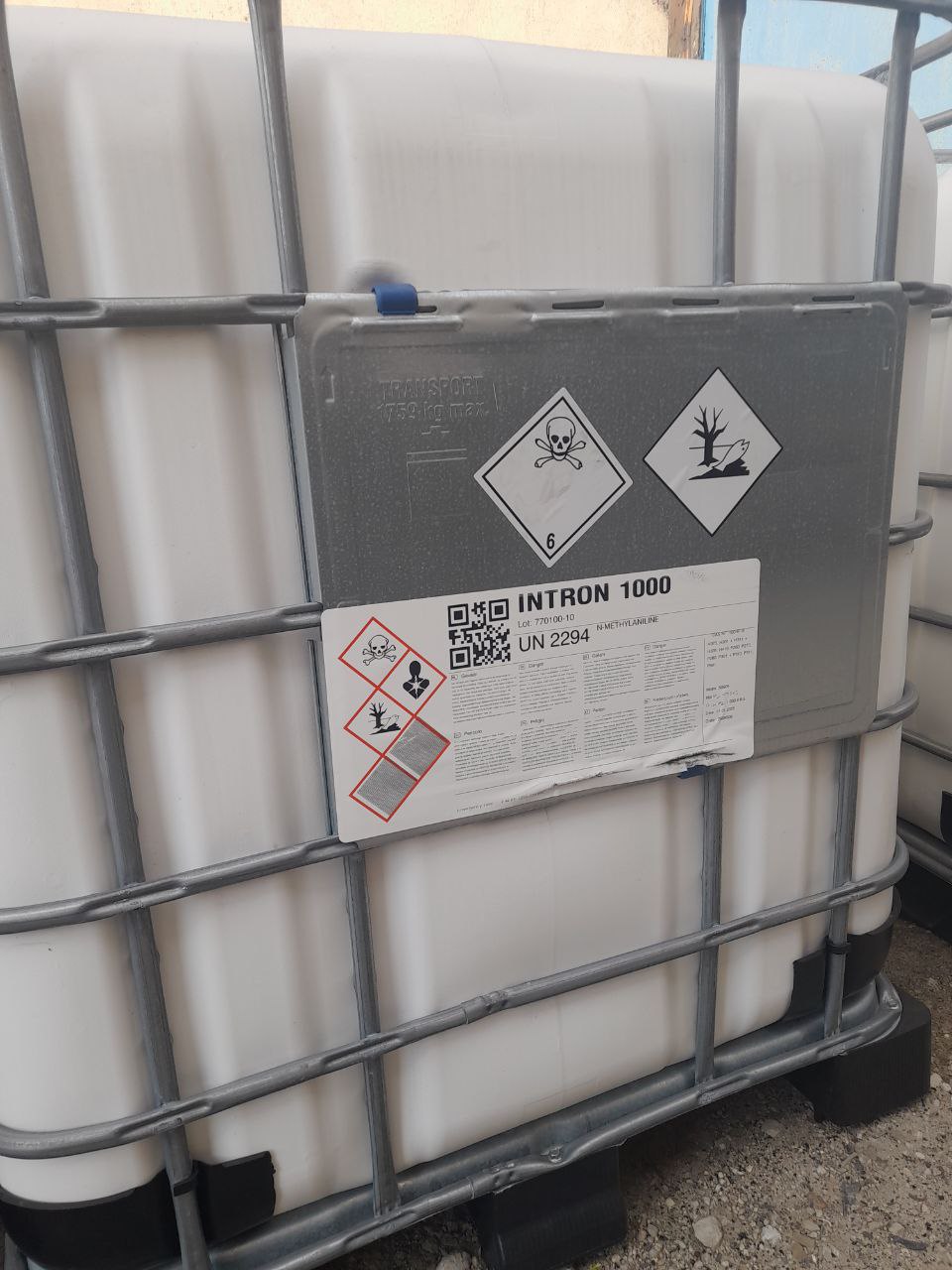
INTRON 1000: Octane Additive that Enhances Gasoline Performance

The gasoline we use in our cars is a complex mixture of various hydrocarbons, additives, and contaminants. The precise composition of gasoline can vary depending on the crude oil source, refining process, and environmental regulations. However, one of the most important factors that determine the quality and performance of gasoline is its octane rating.

Octane rating is a measure of a fuel’s ability to resist “knocking,” which is an undesirable combustion phenomenon that occurs when the air-fuel mixture in an engine cylinder detonates prematurely. Engine knock can cause damage to the engine and reduce its performance and fuel efficiency. The higher the octane rating of gasoline, the better it can resist engine knock and provide a smoother and more efficient driving experience.

To increase the octane rating of gasoline, various octane booster additives can be used. One such additive is INTRON 1000, a colorless, clear liquid that is widely used in the gasoline refining process. In this article, we will explore the properties, benefits, and applications of INTRON 1000 as an octane booster additive.

Properties of INTRON 1000

INTRON 1000 is a colorless to light yellow liquid with a characteristic amine odor. It is soluble in water, ethanol, and most organic solvents, and has a boiling point of 197°C. INTRON 1000 is a weak base and can form salts with strong acids, such as hydrochloric acid (HCl).

INTRON 1000 is a versatile chemical that can be used in various applications, such as in the production of dyes, pharmaceuticals, and agrochemicals. However, one of the most important applications of INTRON 1000 is as an octane booster additive in gasoline.

How Does INTRON 1000 Increase Octane Rating?

To understand how INTRON 1000 works as an octane booster, we need to first understand how engine knock occurs. Engine knock is the result of the air-fuel mixture in the engine cylinder detonating prematurely, before the spark plug ignites it. This can happen when the air-fuel mixture is compressed too much or too quickly, causing it to ignite spontaneously.

One way to prevent engine knock is to use gasoline with a higher octane rating. Higher-octane gasoline can resist engine knock better than lower-octane gasoline because it burns more slowly and evenly, allowing for a more controlled combustion process.

However, it is not always possible or practical to produce gasoline with a high octane rating from crude oil alone. This is where octane booster additives like INTRON 1000 come in. INTRON 1000 can increase the octane rating of gasoline by slowing down the combustion process, which reduces the likelihood of engine knock.

Specifically, INTRON 1000 works by delaying the ignition of the air-fuel mixture in the engine cylinder. When gasoline with INTRON 1000 is injected into the engine cylinder, INTRON 1000 molecules are first vaporized and then mixed with the air and fuel. As the air-fuel mixture is compressed, INTRON 1000 molecules absorb heat from the combustion process and undergo a series of chemical reactions, which generate free radicals and other reactive species.

These free radicals and reactive species then react with the hydrocarbon molecules in the air-fuel mixture, causing a chain reaction that eventually leads to combustion. However, because INTRON 1000 molecules are present, they also react with the free radicals and reactive species, slowing down the chain

reaction and delaying the ignition of the air-fuel mixture.

This delayed ignition allows for a more controlled combustion process, which reduces the likelihood of engine knock. In addition, because INTRON 1000 is a weak base, it can react with acidic combustion products and neutralize them, preventing them from reacting with the engine components and causing corrosion.

Benefits of INTRON 1000 as an Octane Booster Additive

INTRON 1000 has several advantages over other octane booster additives, such as tetraethyl lead (TEL) and methyl tertiary butyl ether (MTBE). TEL was a popular octane booster additive in the past but was phased out due to its environmental and health hazards. MTBE was another popular octane booster additive but was also phased out due to its potential to contaminate groundwater.

Compared to TEL and MTBE, INTRON 1000 is a safer and more environmentally friendly octane booster additive. INTRON 1000 does not contain any heavy metals or halogens and does not produce harmful emissions or residues when burned in the engine. Moreover, INTRON 1000 is biodegradable and does not persist in the environment like TEL and MTBE.

In addition to its environmental benefits, INTRON 1000 has several technical advantages as an octane booster additive. INTRON 1000 is a highly efficient octane booster, capable of increasing the octane rating of gasoline by up to 5-7 points. Moreover, INTRON 1000 has a low vapor pressure and does not evaporate easily, which means it can be stored and transported safely without the risk of vapor leakage.

Applications of INTRON 1000 in the Gasoline Industry

INTRON 1000 is widely used in the gasoline industry as an octane booster additive. It can be added to gasoline either in the refinery or at the retail gas station. The optimal concentration of INTRON 1000 in gasoline depends on various factors, such as the initial octane rating of the gasoline, the engine type, and the operating conditions.

In addition to its use as an octane booster, INTRON 1000 can also be used as a corrosion inhibitor in gasoline. INTRON 1000 can react with acidic combustion products, such as sulfur dioxide and nitrogen oxides, and neutralize them, preventing them from corroding the engine components. Moreover, INTRON 1000 can form a protective film on the metal surfaces of the engine, reducing the likelihood of corrosion.

Petronax is a global leader in the production and sale of INTRON 1000 as an octane booster additive. Petronax has been producing and selling INTRON 1000 for over 10 years, serving customers in the United States, Europe, Asia, and other regions.

Petronax INTRON 1000 is produced using state-of-the-art technology and rigorous quality control procedures, ensuring that the product meets the highest standards of purity and performance. Petronax INTRON 1000 is also available in various grades and concentrations, tailored to the specific needs of the customers.

Petronax is committed to sustainability and environmental responsibility. Petronax INTRON 1000 is produced using eco-friendly processes and raw materials, minimizing the environmental footprint of the product. Moreover, Petronax INTRON 1000 is compliant with all relevant environmental and health regulations, ensuring the safety and well-being of the users.

INTRON 1000 is a versatile and efficient octane booster additive that can enhance the performance and quality of gasoline. INTRON 1000 works by delaying the ignition of the air-fuel mixture in the engine cylinder, reducing the likelihood of engine knock and improving the fuel efficiency and driving experience. INTRON 1000 is also a safer and more environmentally friendly alternative to other octane booster additives, such as TEL and MTBE.


by Petronax Petronax

INTRON® cTane shipping worldwide

PETRONAX, a leading supplier of chemical additives, is proud to announce the worldwide shipping of INTRON cTane, a highly effective cetane improver for diesel fuel. This product has excellent properties that enhance the ignition properties of diesel fuel, ensuring optimal performance for diesel engines.

INTRON cTane is a liquid cetane improver made from a blend of organic compounds that has a high concentration of cetane improver compounds. It has a high cetane number, making it a highly effective additive for diesel fuel. This product has been tested and certified by various organizations such as ASTM International and the European Committee for Standardization (CEN), meeting the cetane number requirements of various diesel fuel standards such as ASTM D975 and EN 590.

The product’s excellent properties make it an ideal cetane improver, with a low pour point and a high flash point that ensures stability under different temperature and pressure conditions. Additionally, it has good thermal stability, making it suitable for use in various applications such as transportation, power generation, and marine engines.

INTRON cTane is widely shipped to different countries and clients worldwide, ensuring they receive the optimal diesel engine performance. The product is distributed through a network of authorized distributors and agents and is shipped in compliance with international shipping regulations and standards. The shipping is done through different modes of transportation such as air freight, sea freight, and road transportation, depending on various factors such as quantity, destination, and urgency of the delivery.

PETRONAX is committed to ensuring clients receive high-quality chemical additives that enhance their products’ performance. The company’s reputation for quality and innovation has earned them a loyal customer base that relies on their products for optimal performance. The company continues to invest in research and development to provide innovative solutions that meet their clients’ ever-changing needs.

In conclusion, INTRON cTane is an excellent cetane improver product that has excellent properties and is widely shipped to different countries and clients worldwide. It is suitable for use in different applications such as transportation, power generation, and marine engines, providing optimal performance for diesel engines