An octane booster lifts the octane number of gasoline, so a refinery or blender can meet the fuel spec without costly process changes. PETRONAX supplies the INTRON® octane improver range: pure base chemicals and formulated compounds that we have refined over years of field work. In short, our goal is simple – the highest octane gain per dollar for the end user.

What is an octane booster?
The octane number shows how well gasoline resists knock. Knock occurs when the fuel-air mixture ignites on its own before the flame front reaches it. As a result, the engine loses power, and over time pistons and valves can suffer damage.
An octane booster, also called an octane improver or antiknock additive, raises this resistance. Consequently, the engine can run at higher compression and better efficiency. Labs measure the effect as the Research Octane Number (RON, ASTM D2699) and the Motor Octane Number (MON, ASTM D2700). For background, see the octane rating overview.
Where octane improvers are used
Octane improvers solve the same problem along the whole fuel chain. Typical users include:
- Refineries. They close the octane gap when the reformer or isomerisation unit is down, overloaded or simply too costly to run harder.
- Blending terminals and depots. They upgrade lower-grade gasoline or straight-run naphtha to a commercial grade such as RON 92, 95 or 98.
- Fuel traders and importers. They correct off-spec cargoes and turn price spreads between grades into margin.
- Retail and aftermarket brands. They sell octane booster concentrates in small packs to drivers, workshops and motorsport teams.
Main groups of octane boosters
In general, three chemical groups dominate the octane booster market. Each group works in its own way, so each one has its own strengths and limits.
Oxygenates
Oxygenates are oxygen-containing compounds such as ethanol, MTBE (methyl tert-butyl ether) and ETBE (ethyl tert-butyl ether). They have a high blending octane and burn cleanly. However, refiners must add them in large volumes, often several percent. In addition, fuel standards cap the oxygen content, and ethanol raises vapour pressure and lowers energy content.
Aromatic amines
Aromatic amines, above all N-Methyl Aniline (NMA), are among the most efficient octane improvers per unit volume. They interrupt the radical chain reactions that lead to self-ignition. As a result, a dose of about one percent gives a clear octane gain. Moreover, they are ashless and leave no metal deposits. Still, some markets limit their content, so local rules apply.
Metal-based antiknock agents
Organometallic compounds based on manganese (MMT) or iron (ferrocene) are very strong at a dose of only a few parts per million. Tetraethyl lead belongs to the same group but is banned in road fuel worldwide. On the other hand, metal additives leave deposits on spark plugs and catalysts. For this reason, most modern fuel standards restrict them tightly; in the EU, for example, manganese is capped at 2 mg per litre.
| Octane booster group | Examples | Typical dose | Main consideration |
|---|---|---|---|
| Oxygenates | Ethanol, MTBE, ETBE | Several % by volume | Oxygen caps; affect vapour pressure and energy content |
| Aromatic amines | N-Methyl Aniline | Up to about 1.3 % by weight | High gain per litre; regulatory status varies by market |
| Metal-based agents | MMT, ferrocene | Parts per million | Deposits on plugs and catalysts; tightly restricted |
| Refinery processes | Reforming, isomerisation, alkylation | – | Very high capital and operating cost |
The INTRON® octane improver range
PETRONAX builds the INTRON® range on two pillars. Firstly, we supply pure base chemicals for customers who blend in-house. Secondly, we offer formulated compounds for customers who want the best result from one product.
Pure base chemicals
The core of the range is the INTRON® octane booster series based on high-purity N-Methyl Aniline. We control residual aniline, dimethylaniline, water and colour in every batch. Thus, refiners get a predictable octane gain and a clean Certificate of Analysis. In addition, we source other octane components on request for customers with their own formulations.
Formulated INTRON® octane improver compounds
Over the years, our team has tested many combinations of octane components in different base fuels. From this work, we developed INTRON® compounds that combine several active ingredients with stabilisers and co-solvents. Each compound is designed for a clear task: maximum octane gain, low cost per point, or compliance with a specific fuel standard.
Synergy: why a compound beats a single component
Different octane boosters act at different stages of combustion. Amines slow the radical chain reactions, while oxygenates add high-octane molecules and improve combustion. When we combine them in the right ratio, the effects support each other. Therefore, a well-designed compound often gives more octane per dollar than the same spend on one pure chemical. Naturally, the real gain depends on the base gasoline, so we always confirm it with a test.
Benefits of an INTRON® octane booster for the end user
- Maximum octane gain. The right product lifts RON and MON at a low treat rate.
- Lower cost per octane point. For many refiners, an octane improver is cheaper than deeper reforming or buying high-octane components.
- Ashless options. Metal-free chemistry keeps spark plugs, catalytic converters and oxygen sensors clean.
- Flexible blending. Our products mix with standard gasoline streams, oxygenates and bioethanol fuels.
- Simple dosing. Standard pumps or additive injection units handle them, batch-wise or continuously.
- Technical support. Besides supply, we help with blend design, lab tests and documents for your market.
How we select the right octane improver
- You send us the analysis of your base gasoline, the target RON or MON and your monthly volume.
- Next, we review the fuel data and the rules of your market.
- Then we test candidate products and doses on a sample of your fuel.
- After that, you receive a recommendation with the dose and the cost per octane point.
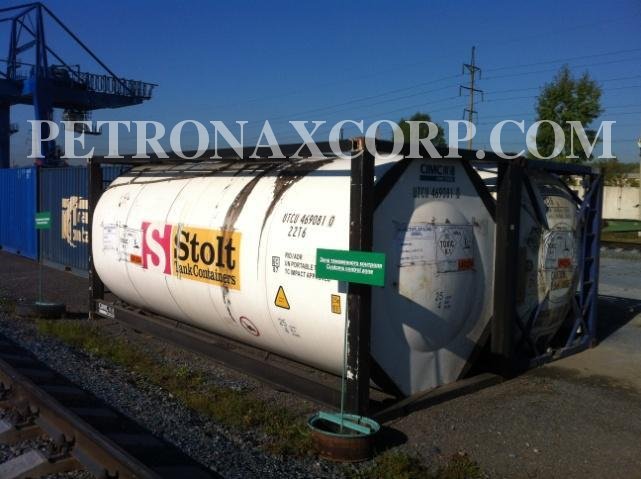
- Finally, we supply in drums, IBCs, ISO tanks or bulk, with full documents.
Quality, compliance and safety
Every shipment comes with a Certificate of Analysis, a Safety Data Sheet and the transport documents for the destination market. Fuel rules differ by country, so the blender or importer remains responsible for local compliance. We gladly help with documents and with substance data from ECHA.
Some octane boosters, including N-Methyl Aniline, are toxic and hazardous to aquatic life. Therefore, always wear protective equipment and read the current Safety Data Sheet before handling.
FAQ: octane booster and octane improver
What is an octane booster?
An octane booster is a fuel additive that raises the octane number of gasoline. As a result, the fuel resists engine knock better, so engines can run at higher compression and efficiency.
What is the difference between an octane booster and an octane improver?
In practice, both terms mean the same thing. Refiners often say octane improver, while retail and motorsport markets usually say octane booster.
Which octane booster gives the most octane per dollar?
It depends on the base gasoline. Aromatic amines such as N-Methyl Aniline give a high gain at a low dose, while formulated compounds often give the best cost per octane point. Therefore, we confirm the choice with a lab test of your fuel.
Is an octane improver allowed in every market?
No. Each fuel standard sets its own limits for oxygen, metals and nitrogen compounds. For this reason, we match every INTRON® octane improver to the rules of the destination market.
How do I order an INTRON® octane booster?
First, send us your base gasoline data, target octane and volumes. After that, we test a sample, recommend a product and dose, and send an offer.
Related resources
- INTRON® Octane Booster Series – N-Methyl Aniline product page
- N-Methyl Aniline: how to get more octane for less money – properties, lab results and comparison
- How N-Methyl Aniline works as an octane booster – full guide
- Research – our lab and quality control
Ready to raise your octane number? Request a quote or write to sales@petronaxcorp.com, and our team will recommend the right octane booster for your fuel.