by Petronax Petronax No Comments

How N-Methyl Aniline Works as an Octane Booster: Full Guide

N-Methyl Aniline octane booster technology is one of the most cost-effective ways to raise the octane rating of gasoline. Refiners and fuel blenders use N-Methyl Aniline (NMA), an ashless, metal-free octane improver, to increase the Research Octane Number (RON) of base gasoline at low treat rates. Outside the fuel sector, the same molecule is a key intermediate for dyes, agrochemicals, pharmaceuticals and rubber chemicals.

PETRONAX supplies high-purity N-Methyl Aniline to customers in North America, Latin America, Europe, the Middle East, Africa, Central Asia and Asia-Pacific. It is the active chemistry behind our octane booster range and part of our wider refinery chemicals portfolio. This guide explains how NMA works as an octane booster, what to check before blending, and what its other industrial uses are.


What Is N-Methyl Aniline?

N-Methyl Aniline, also written N-methylaniline, monomethylaniline (MMA), methylphenylamine or N-methylaminobenzene, is a secondary aromatic amine. A single methyl group is attached to the nitrogen atom of aniline. That small change alters the electron density around the amine and its reactivity, which is why NMA works both as a fuel octane improver and as a synthesis intermediate.

ParameterTypical value
Chemical nameN-Methyl Aniline
SynonymsNMA, MMA, monomethylaniline, N-methylaminobenzene, methylphenylamine
CAS number100-61-8
Molecular formulaC₇H₉N
Molecular weight107.15 g/mol
AppearanceClear liquid, colourless to light yellow (darkens on air exposure)
OdourCharacteristic amine
Boiling point≈ 196–197 °C
Melting point≈ −57 °C
Density (20 °C)≈ 0.986–0.989 g/cm³
Flash point≈ 79–80 °C (closed cup)
SolubilityPoorly soluble in water; miscible with alcohols, ethers and most organic solvents

Values are indicative. Batch-specific figures are stated on the PETRONAX Certificate of Analysis (COA) issued with every consignment; see our technical datasheets and safety documentation. Independent data for CAS 100-61-8 are published in the PubChem compound database.


N-Methyl Aniline as an Octane Booster for Gasoline

The largest-volume use of N-Methyl Aniline worldwide is as a non-metallic, ashless octane booster for motor gasoline. Refiners and blenders add NMA to raise the RON of base gasoline streams, improve knock resistance and meet octane specifications without changing the refinery configuration. RON is measured with the standard laboratory engine method ASTM D2699, and blend economics are calculated against that figure.

How an octane improver works

Knock (pre-ignition) occurs when the fuel-air mixture in a high-compression engine ignites before the spark. An octane improver raises the fuel’s resistance to this auto-ignition, so the engine can run at higher compression and better efficiency without knocking. Aromatic amines such as NMA are among the most efficient additives for this job on a per-volume basis.

Key advantages of NMA as an octane booster

  • High octane efficiency per unit volume. NMA delivers a significant RON uplift at low treat rates, which means less additive volume, less tankage and lower logistics cost per octane point gained.
  • Metal-free and ashless. Unlike metal-based antiknock agents (lead, manganese and iron compounds), NMA leaves no metallic residue that can foul spark plugs, damage catalytic converters or disturb oxygen sensors.
  • Blending flexibility. NMA is compatible with conventional gasoline hydrocarbons and can be co-blended with oxygenates and other performance additives.
  • Cost efficiency. For many refiners, an NMA octane booster is a more economical route to specification octane than deeper reforming or high-severity isomerisation.

NMA compared with other octane improvers

Octane improver typeExamplesMain consideration
Aromatic aminesN-Methyl AnilineHigh efficiency at low treat rate; regulatory status varies by market
OxygenatesEthanol, MTBE, ETBENeeded in large volumes; affect vapour pressure and energy content
Metal-based antiknock agentsLead, manganese and iron compoundsMetallic deposits; restricted or banned in many markets
Refinery processesReforming, isomerisation, alkylationVery high capital and operating cost

Dosage and compliance: what to check before blending

Treat rates are always set by the blender in line with the finished-fuel specification and the rules of the destination market. The permitted content of N-Methyl Aniline in motor gasoline varies significantly by jurisdiction, and in some markets it is restricted or not permitted at all. European users should check the substance record and any restrictions on the European Chemicals Agency (ECHA) website as well as national fuel-quality rules. PETRONAX supports customers with documentation, but responsibility for meeting local fuel legislation rests with the blender or importer.

Our technical team can help with blend design, compatibility testing and regional requirements. Get in touch before contracting.


Other Industrial Uses of N-Methyl Aniline

Dyes and pigments

NMA is a classical intermediate in the colour industry. It is used to make azo dyes, triphenylmethane dyes, cationic dyes (such as cationic brilliant red and pink grades), reactive dyes for cellulosic fibres, and colourants for textiles, printing inks, leather, paper and coatings. Shade reproducibility depends directly on amine purity, since trace aniline, water or oxidation products cause off-shade batches. The same purity discipline applies to our own petroleum dyes and markers.

Agrochemicals and crop protection

NMA is an intermediate in routes to insect growth regulators and selective herbicides, including buprofezin (insecticide) and mefenacet (herbicide). Multi-step agrochemical synthesis is sensitive to impurities, so low residual aniline and low moisture matter.

Pharmaceutical intermediates

The N-methyl group is often used to tune lipophilicity, metabolic stability, basicity and receptor binding. N-Methyl Aniline and its derivatives therefore appear as building blocks in the synthesis of active pharmaceutical ingredients and drug candidates.

Rubber chemicals, polymers and resins

NMA contributes to rubber accelerators and antidegradants, polymer and resin intermediates, antioxidants and stabilisers for elastomers and plastics, and curing agent components for epoxy and specialty resin systems.

Solvents, corrosion inhibitors and specialty chemicals

NMA is also used as a latent and coupling solvent, in corrosion inhibitor formulations for oilfield and metalworking applications, in photographic and imaging chemicals, and as a reagent in organic synthesis and R&D.


Why Source Your N-Methyl Aniline Octane Booster from PETRONAX

  • Consistent high purity. Tight control of residual aniline, dimethylaniline, water content and colour. Every batch is analysed before release in our chemical research and QC facilities.
  • Full documentation. Each shipment includes a Certificate of Analysis, Safety Data Sheet and the transport and regulatory documents needed for the destination market, with batch traceability from production to delivery.
  • Grade flexibility. Grades and concentrations for fuel blenders, dye houses, agrochemical producers and fine-chemical customers, including custom specifications on request.
  • Global logistics. Drums, IBCs, ISO tanks and bulk parcels, with experience in export documentation, labelling and dangerous-goods requirements.
  • Technical partnership. Support with specification alignment, compatibility questions and blend design, not just order fulfilment.
  • Supply security. Long-term contracts, buffer inventory and multi-route logistics planning.

Packaging, Storage and Handling

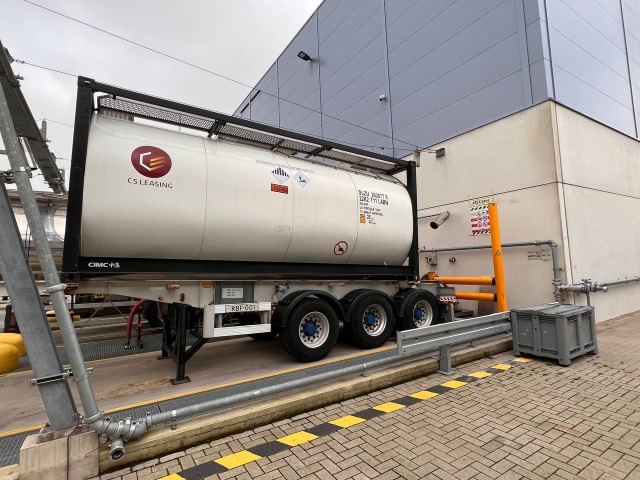
Packaging. Typically 200 L / 220 kg steel drums, 1,000 L IBCs, ISO tanks and bulk. Alternative packaging is available on request.

Storage. Keep in a cool, dry, well-ventilated area away from heat, sparks and open flame. Keep containers tightly closed, because air exposure causes gradual darkening. Segregate from strong oxidising agents, strong acids and foodstuffs.

Safety. N-Methyl Aniline is a toxic substance. It is harmful by inhalation, ingestion and skin absorption, can cause methaemoglobinaemia, and may damage the liver, kidneys and central nervous system on repeated or significant exposure. It is also hazardous to aquatic life. Handling requires:

  • Chemical-resistant gloves, eye protection, protective clothing and, where required, respiratory protection
  • Local exhaust ventilation and engineering controls
  • Compliance with occupational exposure limits
  • Trained personnel and established spill and emergency procedures
  • Compliance with national and regional chemical, transport and environmental regulations

Always read the current Safety Data Sheet in full before handling. This summary does not replace the SDS, applicable regulations or your own risk assessment. Exposure limits and recommended controls are published in the NIOSH Pocket Guide to Chemical Hazards. The current PETRONAX SDS is in our downloads section.


Frequently Asked Questions

What is N-Methyl Aniline used for? Its largest use is as an octane booster for gasoline. It is also an intermediate for dyes, agrochemicals, pharmaceuticals, rubber chemicals and resins, and is used as a specialty solvent.

What is the CAS number of N-Methyl Aniline? CAS 100-61-8. Synonyms include monomethylaniline (MMA), N-methylaminobenzene and methylphenylamine.

Is N-Methyl Aniline an octane booster or an octane improver? Both terms describe the same function. An octane booster or octane improver is an additive that raises the RON of gasoline to improve knock resistance. NMA is an ashless, metal-free additive of this type.

How much does an N-Methyl Aniline octane booster raise gasoline octane? The RON uplift depends on the base gasoline composition and the treat rate. NMA is known for a substantial gain at comparatively low blend ratios, but the result should always be confirmed by blend testing on your own streams.

Is N-Methyl Aniline permitted as a gasoline additive? It depends on the destination market. Some jurisdictions permit NMA within defined limits, while others restrict or prohibit it in motor fuels. Verify current fuel-quality regulations before blending or importing.

Is NMA safe for catalytic converters and oxygen sensors? NMA contains no metals and produces no metallic ash, so it avoids the deposit problems associated with metal-based antiknock agents. Compatibility should still be confirmed for your fuel specification and market.

Why does NMA turn yellow or brown? Aromatic amines oxidise slowly in contact with air and light. Colour development is normal over time and is minimised by storing in sealed containers, protected from heat and light.

What purity does PETRONAX supply? High-purity commercial grade, with batch-specific values on the Certificate of Analysis. Custom specifications can be discussed for demanding synthesis applications.

What order sizes are available? From drum quantities for R&D and small-scale production up to ISO tanks and bulk parcels for refinery-scale users. Smaller volumes can be ordered through the PETRONAX shop.


Order N-Methyl Aniline Octane Booster from PETRONAX

Whether you are a refiner looking to optimise your octane pool, a dye manufacturer protecting shade consistency, or a chemist qualifying a new intermediate supplier, PETRONAX can supply high-quality N-Methyl Aniline with dependable global delivery.

Request a quotation, download a technical datasheet, or contact the PETRONAX team for a technical consultation. We reply within 24 hours, provide technical information within 2 hours and can dispatch samples within 3 days.

Disclaimer: This article is for general information only. Product specifications, permitted applications and regulatory status vary by market and may change. Nothing here is a warranty of fitness for a particular purpose or a guarantee of regulatory compliance. Customers are responsible for verifying that their intended use complies with all applicable laws and for handling the product in accordance with the current Safety Data Sheet.
by Petronax Petronax No Comments

Cetane Improver: The Ultimate Solution for Diesel Fuel Quality

Introduction to INTRON cTane 2EHN by PETRONAX

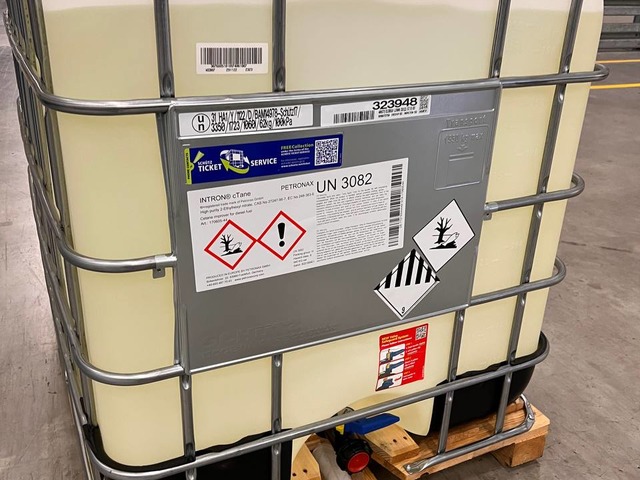
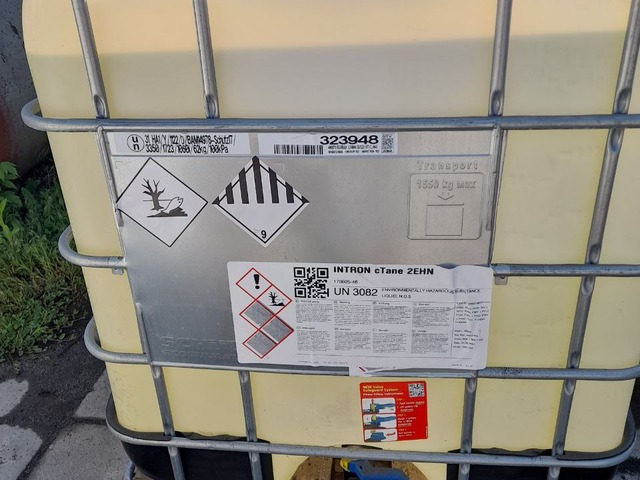
INTRON cTane 2EHN is a high-purity 2-Ethylhexyl Nitrate cetane improver developed and manufactured by PETRONAX. It is designed for post-refinery blending into diesel fuels across global markets. The additive is available for bulk and packaged supply in the United States, Canada, Mexico, Brazil, Argentina, Chile, and Colombia, serving industrial users, fuel terminals, and diesel blenders seeking to meet ignition delay and combustion stability targets.

Chemical Composition and Reaction Kinetics

The molecular structure of 2EHN includes a nitrate ester bond that thermally decomposes at approximately 130–160 °C, initiating radical chain reactions essential for pre-ignition chemistry in diesel engines. Upon decomposition, it releases nitrogen dioxide (NO₂), alkoxy radicals (RO•), and hydroperoxides (ROOH), all of which accelerate low-temperature oxidation and reduce the autoignition delay. This behavior results in measurable increases in cetane number, typically 0.8 to 1.0 per 1000 ppm dosage depending on fuel composition.

INTRON cTane 2EHN does not alter fuel density, viscosity, or lubricity and has no metallic content. Its combustion-enhancing effect is entirely gas-phase and confined to the cool-flame region of the diesel cycle. The additive supports full combustion at earlier crank angles and improves engine startup under cold ambient conditions, such as those found in Alberta (Canada), Montana (USA), or Punta Arenas (Chile).

Engine Combustion Effects

In cylinder-pressure measurements performed under controlled test cycles, fuels treated with INTRON cTane 2EHN exhibit a significant reduction in ignition delay (ID) and a smoother pressure rise rate (RoPR). Earlier start-of-combustion (SOC) improves thermal efficiency while reducing knock intensity and post-injection soot formation.

Key combustion outcomes:

  • Earlier SOC leads to more efficient premixed combustion.
  • Peak in-cylinder temperatures are slightly reduced.
  • Cold-start performance improves at sub-zero temperatures.
  • Emissions of unburned hydrocarbons and CO are reduced.

Cold-start improvement is especially pronounced in areas with prolonged winter conditions, such as Manitoba (Canada) or Michigan (USA), where untreated diesel can suffer from white smoke and rough idle during initial combustion cycles. Addition of 500–1000 ppm 2EHN eliminates combustion misfire by shortening ID below the threshold for flame propagation failure.

Dosage and Base Fuel Dependence

The performance of 2EHN depends on the base fuel’s aromatic content, T90 distillation point, and initial cetane number. Fuels with paraffinic character and low aromatic fractions tend to show higher response to cetane improvers. The additive is compatible with diesel–biodiesel blends up to B20 without degradation.

Typical dosing recommendations:

Cetane Increase Dosage (ppm)
+2 CN 250–300
+4 CN 500–600
+6 CN 800–1000

In southern distribution zones such as Texas, Nuevo León, São Paulo, and Buenos Aires, response profiles are consistent due to stable climate and low variability in diesel refining parameters

Emissions and Regulatory Position

Use of INTRON cTane 2EHN leads to decreased total particulate matter (TPM) and carbon monoxide in steady-state operation. Nitrogen oxide levels are affected minimally and depend primarily on engine calibration and exhaust gas recirculation (EGR) settings.

The additive is fully compliant with:

  • EPA additive registration (USA)
  • CEPA registration (Canada)
  • REACH (EU compliance for export purposes)
  • Norma Oficial Mexicana NOM-016-CRE-2016 for diesel blending in Mexico
  • ANP Resolution No. 50/2013 in Brazil

It is accepted for use in formulations that meet ASTM D975 and EN 590 diesel specifications.

Packaging and Availability in the Americas

PETRONAX supplies INTRON cTane 2EHN in:

  • 1000-liter IBCs
  • 200-liter steel drums
  • Bulk ISO containers

Products are available FOB Houston (USA) and Antwerp (Belgium) and can be delivered CIF to any major port in North America, Central America, and South America. Regular shipping routes include Port of Montreal, Port of Veracruz, Port of Santos, and Cartagena (Colombia).

PETRONAX maintains direct relationships with blending terminals, distributors, and fuel importers in California, Ontario, Mexico City, and Bogotá, ensuring short lead times and local technical support.

INTRON cTane 2EHN offers precise, quantifiable improvement of diesel combustion behavior in compression-ignition engines. By chemically accelerating pre-flame ignition kinetics without modifying physical properties or introducing metallic residues, it supports cleaner, earlier, and more thermodynamically efficient combustion. It is a functionally necessary additive for modern diesel fuels used in varying climates across the USA, Canada, Mexico, and the entire South American continent. PETRONAX ensures quality-controlled production and regionally optimized distribution to support emission compliance and engine performance consistency in commercial and industrial diesel applications.

by Petronax Petronax No Comments

Transform Your Diesel Instantly With a Professional Cetane Improver

Diesel-powered industries constantly strive for enhanced performance, lower fuel consumption, and reduced emissions. Leading the charge in this sector is PETRONAX Europe, a renowned company known for its innovative approach to fuel additives. One of its most intresting products, cetane improver INTRON cTane, is created to optimize diesel engine efficiency and environmental sustainability.

Understanding Cetane Improvers

Cetane number plays a crucial role in determining the combustion efficiency of diesel fuel. A higher cetane number signifies better ignition quality, which in turn ensures smoother engine operation. INTRON cTane works as an effective cetane improver, raising the cetane number in diesel fuel to provide a host of benefits that directly affect engine performance, fuel consumption, and emissions.

By optimizing the cetane number, cetane improver INTRON cTane helps reduce ignition delay, leading to quicker and more efficient fuel combustion. Diesel engines equipped with cetane-boosted fuel exhibit fewer issues related to incomplete combustion, thereby maximizing fuel usage and minimizing pollutants.

The Immediate Benefits of INTRON cTane

The application of cetane improver INTRON cTane offers several key advantages for companies using diesel-powered machinery. It directly influences engine behavior, improving both operational efficiency and environmental impact.

  1. Improved Combustion
    Fuel ignites more efficiently with an enhanced cetane number, leading to complete combustion. This directly impacts the overall performance of diesel engines, resulting in smoother operation, less engine knocking, and faster start-up times. The improved combustion process also contributes to a cleaner burn, which positively affects both engine health and environmental footprint.
  2. Reduced Emissions
    Stricter regulations around emissions control have made it imperative for businesses to look for solutions that cut down on harmful pollutants. Cetane improver INTRON cTane aids in reducing nitrogen oxide (NOx) emissions and particulate matter (PM). By enhancing fuel combustion, it helps diesel engines comply with these stringent environmental standards, making it easier for companies to maintain regulatory compliance while improving sustainability.
  3. Fuel Efficiency
    When diesel fuel ignites efficiently, less fuel is wasted. Cetane improver INTRON cTane promotes optimized fuel use, reducing overall fuel consumption without compromising on engine power or performance. This improvement in fuel economy translates directly into cost savings, making the product an attractive option for fleet operators, transportation companies, and other diesel-dependent industries.
  4. Increased Engine Longevity
    The complete combustion of diesel fuel leads to less carbon buildup within the engine. This reduction in engine deposits helps maintain cleaner engine components, reducing wear and tear over time. Cetane improver INTRON cTane plays a role in prolonging engine life, lowering maintenance costs, and reducing downtime, thus boosting overall operational efficiency.
  5. Noise Reduction
    Diesel engines with poor ignition often produce excessive noise due to engine knocking or misfires. The improvement in cetane number brought about by Cetane improver INTRON cTane leads to quieter engine operations. Noise reduction can be particularly important in industries where noise pollution is a concern, such as construction or logistics, enhancing workplace safety and comfort.

Industry-Wide Applicability

Cetane improver INTRON cTane finds application in a wide array of industries that rely on diesel-powered equipment. The versatility of this cetane improver allows it to seamlessly integrate into various sectors:

  1. Transportation
    Fleet operators can benefit significantly from cetane improver INTRON cTane. Large-scale transportation companies with vast fleets of trucks or buses see immediate improvements in fuel efficiency, vehicle performance, and emissions reductions. The product’s ability to optimize combustion also leads to fewer maintenance issues, keeping vehicles on the road longer without costly downtime.
  2. Agriculture
    Farmers and agricultural businesses often rely on heavy-duty diesel equipment, including tractors, harvesters, and irrigation systems. Cetane improver INTRON cTane improves the performance of these machines, ensuring smoother and more reliable operations during critical seasons. Fuel efficiency in agriculture translates directly into lower operational costs, allowing farms to increase their bottom line while maintaining environmental standards.
  3. Power Generation
    In regions that depend on diesel-powered generators for electricity, particularly in remote or off-grid areas, the need for efficient fuel use becomes paramount. Cetane improver INTRON cTane optimizes fuel consumption, helping power generation systems run more efficiently while cutting down on emissions. This product ensures uninterrupted power supply while reducing the environmental impact of diesel-based energy production.
  4. Shipping and Marine
    Marine vessels, including cargo ships, often use diesel engines for propulsion. The maritime industry faces increasing pressure to cut emissions, especially in light of international environmental regulations. Cetane improver INTRON cTane supports the maritime sector in meeting these challenges, improving fuel efficiency and reducing pollutants while ensuring the smooth operation of engines under heavy loads.

With years of expertise in fuel additive technology, PETRONAX Europe remains at the forefront of quality. The development of cetane improver INTRON cTane underscores the company’s commitment to providing advanced solutions that address the evolving needs of its customers. By focusing on both performance and sustainability, PETRONAX ensures that its products meet the highest industry standards.

The company’s continuous investment in research and development enables it to stay ahead of industry trends. PETRONAX not only provides products like cetane improver INTRON cTane that enhance fuel quality but also contributes to the global shift toward greener and more efficient energy consumption.

Environmental Impact and Sustainability

Sustainability is a central pillar of PETRONAX Europe GmbH. Cetane improver INTRON cTane contributes to global efforts aimed at reducing greenhouse gas emissions and minimizing the carbon footprint of industries that rely on diesel fuel. By promoting cleaner combustion, the product helps reduce the release of harmful pollutants into the atmosphere.

The environmental benefits of cetane improver INTRON cTane extend beyond just reducing emissions. Improved fuel efficiency means less fuel consumption, leading to fewer fossil fuels being burned and thus a lower demand for resource extraction. In the long run, this shift helps mitigate the environmental degradation associated with traditional fuel use.

Companies that incorporate cetane improver INTRON cTane into their operations align with global sustainability goals while simultaneously enjoying improved operational efficiency. This dual advantage makes the product a strategic choice for businesses that prioritize both profitability and environmental responsibility.

Economic Impact for Businesses

For many industries, fuel costs represent a significant portion of operational expenses. Cetane improver INTRON cTane delivers immediate economic benefits by improving fuel efficiency and reducing overall fuel consumption. This additive provides long-term savings by minimizing engine wear and extending the life of diesel-powered equipment, reducing repair and maintenance costs.

Companies looking to optimize their operations can view cetane improver INTRON cTane as an investment rather than an expense. The improved fuel economy, extended engine longevity, and reduction in emissions contribute to a lower total cost of ownership, helping businesses remain competitive in an increasingly cost-conscious market.

Conclusion: The Strategic Advantage of cetane improver INTRON cTane

INTRON cTane from PETRONAX Europe offers a comprehensive solution for industries seeking to improve diesel engine performance, reduce fuel consumption, and meet stringent emissions standards. Its benefits extend across multiple sectors, from transportation to agriculture and power generation.

By choosing cetane improver INTRON cTane, businesses not only enhance their operational efficiency but also align with global efforts toward sustainability. The product provides immediate improvements in engine performance, lowers emissions, and reduces fuel costs, all while extending engine life. For companies striving for both profitability and environmental responsibility, INTRON cTane stands as a strategic investment for long-term success

by Petronax Petronax No Comments

INTRON dFlow: Dramatically Better Cold Flow Protection for Diesel

Wintertime poses distinct challenges to the diesel fuel industry, primarily due to the low temperatures that can lead to the gelling of diesel fuel. When the mercury drops, paraffin waxes in the diesel fuel can crystallize, causing a transformation from a liquid to a gel-like state. This transformation obstructs the flow of fuel through the engine, leading to various problems.

One of the primary issues is the risk of clogging fuel lines and filters, which can disrupt the fuel supply to the engine and result in reduced engine performance. In severe cases, it can lead to engine stalling, leaving vehicles or equipment inoperable. Beyond operational challenges, gelling can have financial implications due to increased maintenance costs and a decrease in fuel efficiency.

Furthermore, the consequences of poor cold-weather engine performance are not limited to economic concerns. Inefficient combustion caused by fuel gelling can result in increased emissions, negatively impacting the environment and contributing to air pollution.

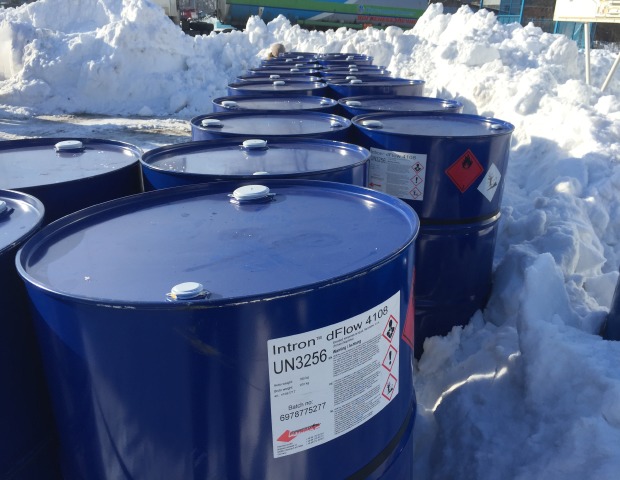
To combat these challenges, the industry has turned to cold flow improvers like INTRON dFlow, produced by PETRONAX Europe. These additives are scientifically formulated to address the crystallization of paraffin waxes and maintain the fluidity of diesel fuel in cold conditions.

INTRON dFlow is at the forefront of these solutions, offering a scientifically advanced approach to the problems of cold-weather diesel fuel. By modifying the crystallization of paraffin waxes, it prevents the formation of large wax structures that can obstruct fuel lines and filters. This innovation ensures that the diesel fuel remains in a liquid state even in freezing temperatures.

The benefits of INTRON dFlow extend beyond preventing gelling. It enhances filterability, reducing the risk of clogged filters. It also promotes efficient cold-weather engine performance by reducing engine strain and improving combustion. This not only ensures engine reliability but also leads to cost savings by reducing maintenance expenses.

Furthermore, INTRON dFlow has environmental benefits. By maintaining engine efficiency and preventing excessive emissions caused by inefficient combustion, it contributes to a cleaner and more environmentally responsible operation. Additionally, it is designed for compatibility with existing fuel infrastructure, ensuring that it can be readily adopted without significant modifications.

In conclusion, INTRON dFlow is a cutting-edge solution to the challenges that cold weather poses to the diesel fuel industry. It represents a scientific approach to maintaining peak engine performance, economic efficiency, and environmental responsibility in winter conditions. With INTRON dFlow, the diesel fuel industry gains an innovative ally that ensures diesel engines continue to run efficiently and responsibly, regardless of the temperature

by Petronax Petronax No Comments

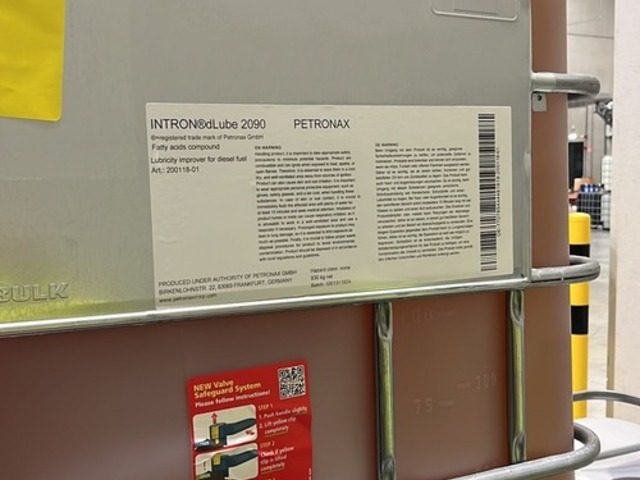
Enhancing Diesel Fuel Quality: INTRON dLube 2090 and the Road to Cleaner, More Efficient Engines

Diesel fuel has long been the workhorse of the transportation and industrial sectors, powering an array of vehicles and machinery. In an era where energy efficiency, environmental responsibility, and engine longevity are paramount, the quality of diesel fuel plays a pivotal role. The lubricity of diesel fuel, its capacity to reduce friction and wear within engines, is a crucial component of this quality. INTRON dLube 2090, an innovative lubricity improver, has emerged as a transformative solution, offering a multitude of benefits for the diesel fuel industry and its end-users.

Lubricity: The Unsung Hero of Diesel Fuel Quality

Lubricity is a fundamental property of diesel fuel that often goes underappreciated. It refers to the fuel’s ability to reduce friction and wear within the engine’s intricate components, including fuel injectors and pumps. Inadequate lubricity can lead to increased engine wear and tear, ultimately shortening the engine’s lifespan and elevating maintenance costs. Moreover, it can cause operational issues like fuel injection system failures and reduced engine efficiency, which not only have financial implications but also contribute to environmental concerns due to increased emissions.

INTRON dLube 2090: The Breakthrough Solution

Developed by a leading global chemical manufacturer, INTRON dLube 2090 has risen as a powerful solution to address the lubricity challenges that the diesel fuel industry faces. This cutting-edge lubricity improver is designed to enhance the lubricating properties of diesel fuel, ensuring that it meets or exceeds the required standards for optimal diesel engine operation.

The Multifaceted Benefits of INTRON dLube 2090 in Diesel Fuel

  1. Enhanced Engine Protection: One of the most remarkable advantages of INTRON dLube 2090 is its ability to provide robust protection to diesel engines. By significantly improving the lubricity of the fuel, it minimizes friction and reduces wear and tear on engine components, ultimately contributing to an extended engine life. As engines are the backbone of numerous industries, this translates to decreased downtime, reduced maintenance expenses, and heightened productivity.
  2. Improved Fuel Efficiency: INTRON dLube 2090, by enhancing the lubricity of diesel fuel, contributes to superior fuel efficiency. Reduced friction within the engine results in more efficient combustion and fewer energy losses, leading to more miles per gallon and, ultimately, savings on fuel costs for end-users.
  3. Environmental Responsibility: Aligning with global efforts to curb carbon emissions, INTRON dLube 2090 ensures that diesel engines operate more smoothly and efficiently. This reduction in friction leads to lower emissions of harmful pollutants, making it an eco-friendly choice.
  4. Regulatory Compliance: Adhering to lubricity standards and regulations is paramount for the diesel fuel industry. INTRON dLube 2090 guarantees compliance with these standards, guarding against potential regulatory issues and financial penalties.
  5. Seamless Integration: INTRON dLube 2090 is designed for effortless integration into existing fuel infrastructure. This feature ensures that refineries and fuel distributors can adopt it without significant modifications, making it a practical choice for the industry.

In conclusion, INTRON dLube 2090 is a revolutionary lubricity improver that is reshaping the diesel fuel landscape. It offers a broad spectrum of benefits, including enhanced engine protection, improved fuel efficiency, environmental responsibility, regulatory compliance, and straightforward integration. By addressing the critical issue of lubricity in diesel fuel, INTRON dLube 2090 is propelling the industry and end-users towards a cleaner, more efficient, and sustainable future. It stands as a testament to innovation in the pursuit of excellence in diesel fuel quality and performance.

by Petronax Petronax No Comments

INTRON cTane: Improving Diesel Fuel Quality in Refinery Processes

Diesel fuel is a cornerstone of modern transportation and industry, serving as the driving force behind a myriad of vehicles and machinery. As global energy needs continue to grow, there is an increasing focus on enhancing the quality of diesel fuel, both in terms of performance and environmental impact. INTRON cTane, a groundbreaking cetane improver, has emerged as a catalyst for change in the refinery sector, providing an innovative solution to elevate diesel fuel’s ignition quality and promote a cleaner, more efficient future.

Cetane number, a fundamental parameter in diesel fuel quality, serves as the equivalent of the octane number in gasoline. It measures the fuel’s ignition quality, with a higher cetane number signifying improved ignition characteristics. A higher cetane number translates to better engine performance, reduced emissions, and smoother combustion. In the quest for superior diesel fuel, INTRON cTane has surfaced as a game-changing additive with the potential to revolutionize refinery processes and deliver a host of benefits.

INTRON cTane, developed by a leading global chemicals manufacturers, is specifically engineered to enhance the cetane number of diesel fuel. By doing so, it facilitates several significant advantages in the refinery sector and for end-users alike. Most notably, it offers improved ignition characteristics, resulting in smoother engine operation, particularly in cold conditions, where poor ignition can lead to engine knock and noise.

In addition to superior ignition performance, INTRON cTane enhances engine efficiency by boosting the fuel’s cetane number. This, in turn, leads to better fuel efficiency and reduced fuel consumption, not only lowering operational costs for end-users but also contributing to global efforts to reduce carbon emissions and enhance overall fuel economy.

The environmental benefits of INTRON cTane are especially notable. By elevating the cetane number, this cetane improver reduces emissions of harmful pollutants, such as nitrogen oxides (NOx) and particulate matter (PM). This environmentally friendly feature aligns with stringent environmental regulations and plays a crucial role in promoting cleaner air and a healthier planet.

Another practical advantage of INTRON cTane is its ability to improve cold-start performance. Diesel engines often struggle during cold starts due to poor ignition quality. INTRON cTane addresses this issue, ensuring that engines start reliably and smoothly, even in adverse temperature conditions.

Furthermore, INTRON cTane offers enhanced lubricity. This means it improves the lubricating properties of diesel fuel, which, in turn, protects engine components from wear and tear. This results in longer engine life and reduced maintenance costs, providing economic benefits to end-users and the industry.

INTRON cTane is designed to seamlessly integrate into existing fuel infrastructure and demonstrates excellent stability. It ensures that the benefits it provides endure throughout the fuel’s lifecycle, from production to end-use.

In conclusion, INTRON cTane stands as a testament to innovation in the world of diesel fuel quality. It has the potential to revolutionize refinery processes by significantly improving ignition characteristics, engine efficiency, and environmental performance. As the demand for clean, efficient, and reliable diesel fuel continues to rise, INTRON cTane plays a pivotal role in driving positive change within the refinery sector. It is a vital asset in the pursuit of a cleaner and more efficient tomorrow, where diesel fuel serves as a sustainable and environmentally responsible energy source for a rapidly evolving world

by Petronax Petronax No Comments

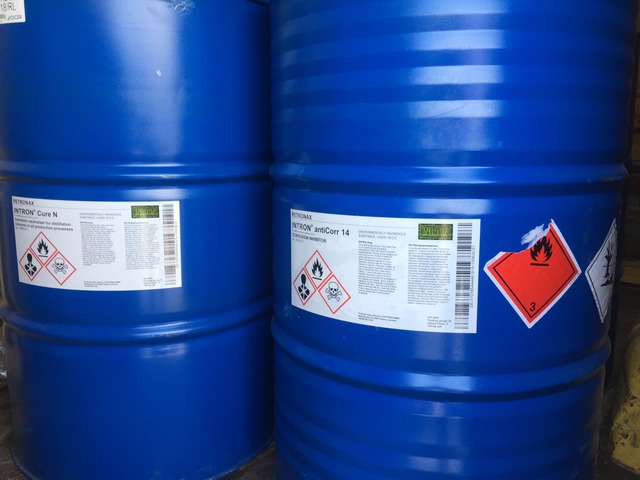
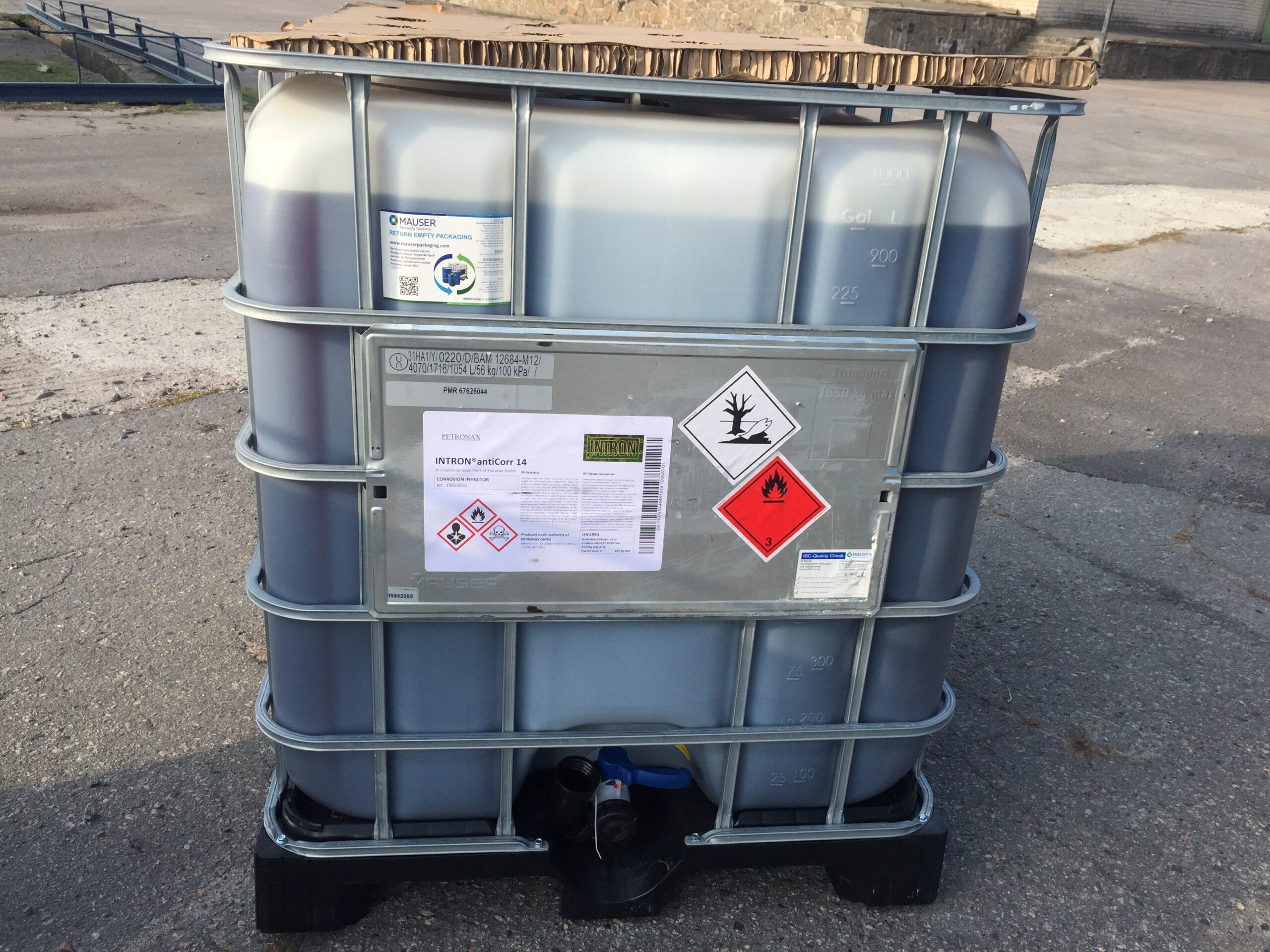
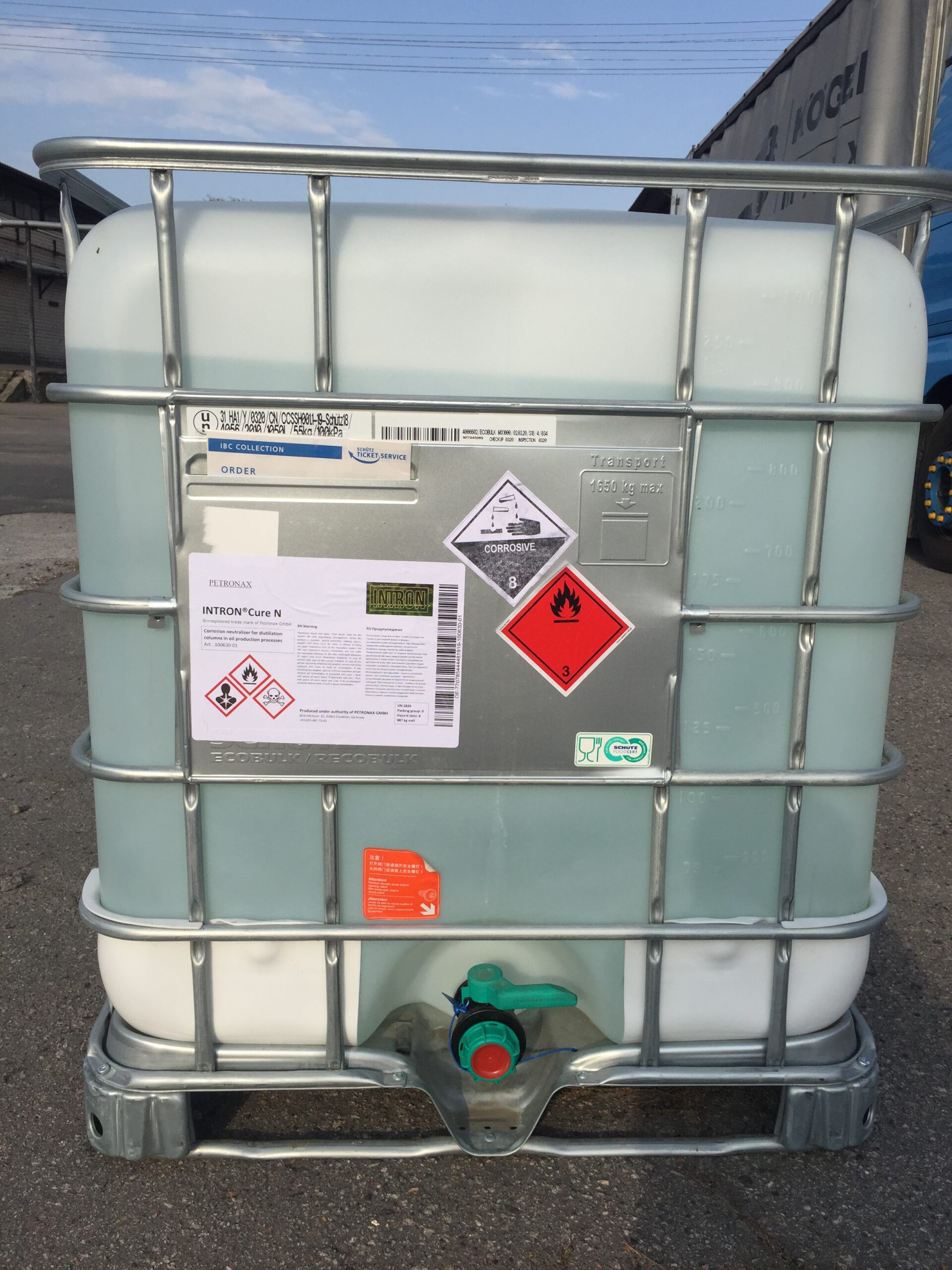
Corrosion inhibitors INTRON antiCorr and INTRON Cure N

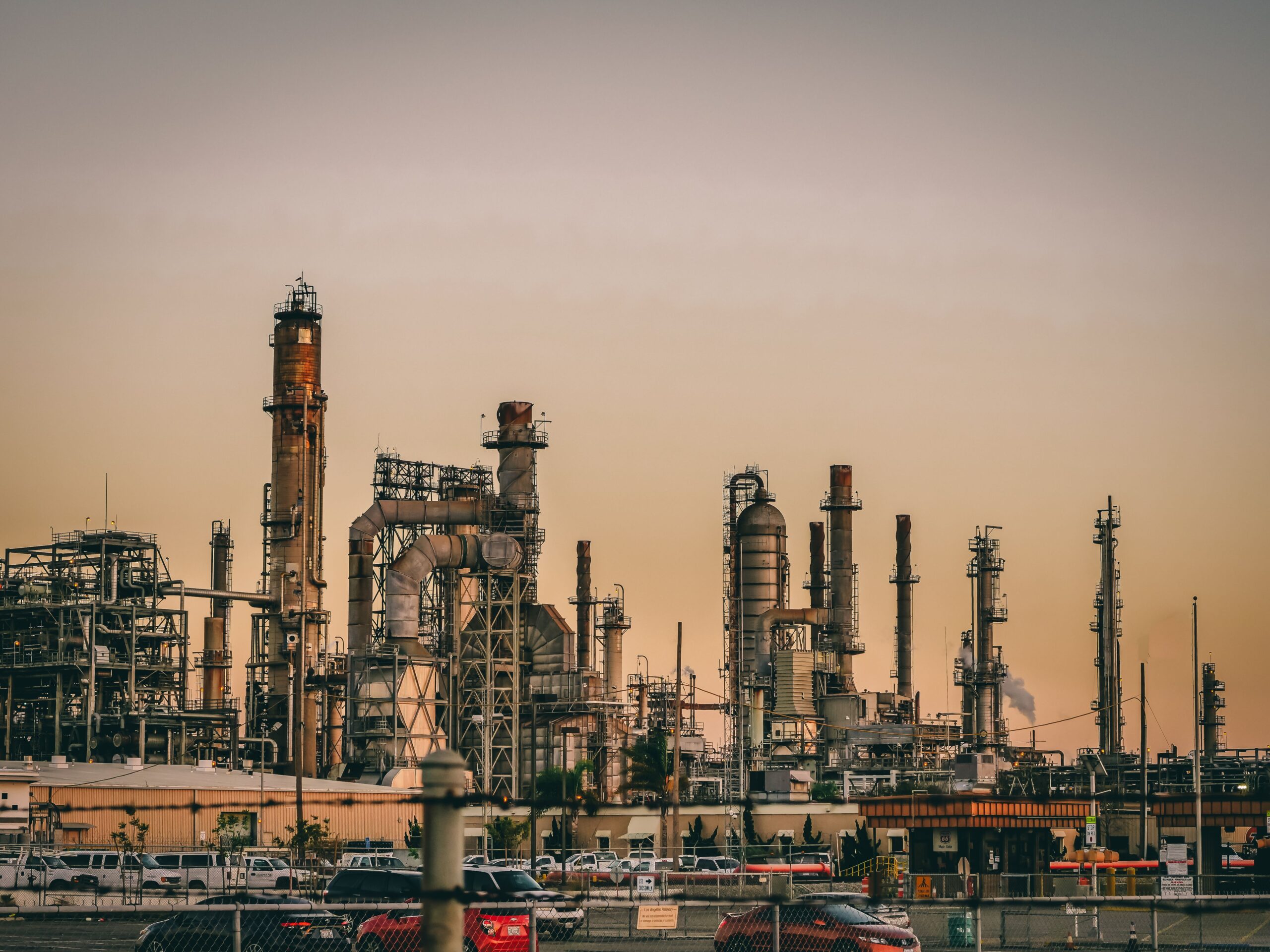
Corrosion is a significant concern in refinery distillation columns, impacting their efficiency and longevity. These columns are exposed to harsh conditions, such as high temperatures, pressure, and corrosive chemicals, which can lead to metal degradation. Fortunately, Petronax offers an effective solution called INTRON antiCorr.

INTRON antiCorr, developed by Petronax, is a specialized corrosion inhibitor designed specifically for refinery distillation columns. It is formulated to provide superior protection against corrosion and extend the lifespan of these critical assets.

The unique formulation of INTRON antiCorr creates a protective layer on the metal surfaces, shielding them from corrosive elements. This layer acts as a barrier, preventing the interaction between the metal and corrosive substances present in the column. By inhibiting corrosion, INTRON antiCorr helps to maintain the structural integrity of the distillation column and ensures optimal performance.

The application of INTRON antiCorr is simple and can be integrated into existing maintenance processes. It can be injected into the column at specific locations or circulated throughout the system. The inhibitor’s long-lasting effectiveness reduces the frequency of application, resulting in cost savings and increased operational efficiency.

Furthermore, INTRON antiCorr is compatible with various types of refinery distillation columns and can be used in different operating conditions. This versatility makes it suitable for a wide range of applications in the refining industry.

Petronax’s INTRON antiCorr is a reliable solution that addresses corrosion problems in refinery distillation columns. By protecting against corrosion and extending the lifespan of these critical assets, it helps refineries maintain smooth operations, improve safety, and reduce maintenance costs