by Petronax Petronax No Comments

N-Methyl Aniline: One Molecule, Six Powerful Industrial Uses

Introduction: One Molecule, Many Industries

Few specialty chemicals span as many value chains as N-Methyl Aniline (NMA). In a refinery blending manifold it lifts the octane rating of gasoline. In a dye plant it becomes the backbone of brilliant azo and triphenylmethane colours. In an agrochemical reactor it is the entry point to modern insecticides and herbicides. In a pharmaceutical laboratory it is a building block for tailored active molecules.

PETRONAX supplies N-Methyl Aniline of consistently high purity to customers across North America, Latin America, Europe, the Middle East, Africa, Central Asia and the Asia-Pacific region. It sits alongside the rest of our refinery chemicals portfolio, and forms the chemical basis of our octane booster range. This article explains what NMA is, why product quality matters so much in each application, and how PETRONAX supports blenders, formulators and synthesis chemists worldwide.


What Is N-Methyl Aniline?

N-Methyl Aniline — also written as N-methylaniline, monomethylaniline (MMA), methylphenylamine or N-methylaminobenzene — is a secondary aromatic amine in which a single methyl group is attached to the nitrogen atom of the aniline molecule.

ParameterTypical value
Chemical nameN-Methyl Aniline
SynonymsNMA, MMA, monomethylaniline, N-methylaminobenzene, methylphenylamine
CAS number100-61-8
Molecular formulaC₇H₉N
Molecular weight107.15 g/mol
AppearanceClear liquid, colourless to light yellow (darkens on air exposure)
OdourCharacteristic amine
Boiling point≈ 196–197 °C
Melting point≈ −57 °C
Density (20 °C)≈ 0.986–0.989 g/cm³
Flash point≈ 79–80 °C (closed cup)
SolubilityPoorly soluble in water; miscible with alcohols, ethers and most organic solvents

Values are indicative. Batch-specific figures are stated on the PETRONAX Certificate of Analysis (COA) issued with every consignment — see our technical datasheets and safety documentation. Independent physical and toxicological data for CAS 100-61-8 are published in the PubChem compound database maintained by the US National Library of Medicine.

That single methyl group on the nitrogen is what makes NMA so useful. It changes the electron density around the amine, alters basicity and steric access, and opens up reaction pathways that plain aniline simply cannot follow. The result is a molecule that behaves as a fuel performance additive, a coupling and latent solvent, and a highly reactive synthesis intermediate — all at once.


Application 1: Fuels and Petroleum Refining — NMA as an Octane Booster

The largest volume application for N-Methyl Aniline worldwide is as a non-metallic, ashless octane booster for gasoline.

Refiners and fuel blenders use NMA to raise the Research Octane Number (RON) of base gasoline streams, improve knock resistance and support cleaner, more efficient combustion in modern high-compression engines. RON is determined by the standardised laboratory engine method ASTM D2699, and it is against that figure that blend economics are calculated. NMA is the active chemistry behind the PETRONAX INTRON 1000 octane booster series. Its key commercial advantages include:

  • High octane efficiency per unit volume. NMA delivers a significant RON uplift at low treat rates, which means less additive volume, less tankage and lower logistics cost per octane point gained.
  • No metals, no ash. Unlike some traditional antiknock agents, NMA leaves no metallic residue that can foul spark plugs, damage catalytic converters or interfere with oxygen sensors.
  • Blending flexibility. NMA is fully compatible with conventional gasoline hydrocarbons and can be co-blended with oxygenates and other performance additives.
  • Cost efficiency. For many refiners, NMA is a more economical route to specification octane than deep reforming or high-severity isomerisation.

Typical treat rates are low and are always set by the blender in line with the finished-fuel specification and the regulations of the destination market. Permitted content of N-Methyl Aniline in motor gasoline varies significantly by jurisdiction — and in some markets it is restricted or not permitted at all. European users should check the substance record and any restrictions listed by the European Chemicals Agency (ECHA) as well as the applicable national fuel-quality rules. PETRONAX works with customers on documentation and compliance, but the final responsibility for meeting local fuel-quality legislation rests with the blender or importer. Our technical team is available to discuss blend design, compatibility testing and regional requirements — get in touch before contracting.


Application 2: Dyes and Pigments

N-Methyl Aniline is a classical intermediate in the colour industry. Its reactivity as a secondary amine makes it an efficient coupling component and precursor in the manufacture of:

  • Azo dyes — the largest and most commercially important dye class
  • Triphenylmethane dyes
  • Cationic dyes such as cationic brilliant red and cationic pink grades
  • Reactive dyes used on cellulosic fibres
  • Specialty colourants for textiles, printing inks, leather, paper and coatings

Colour strength, shade reproducibility and batch-to-batch consistency in these products depend directly on the purity of the amine feedstock. Trace aniline, water or oxidation products in the intermediate translate into off-shade output and rejected batches downstream — which is precisely why dye manufacturers specify tight incoming NMA specifications. The same discipline governs our own petroleum dyes and markers.


Application 3: Agrochemicals and Crop Protection

NMA is a recognised intermediate in the synthesis of crop-protection actives. It is used in routes to insect growth regulators and selective herbicides — including well-known products such as buprofezin (insecticide) and mefenacet (herbicide) — as well as in a range of proprietary agrochemical intermediates.

Agrochemical synthesis is unforgiving of impurities: an unwanted side reaction at intermediate stage can carry through to the active ingredient and jeopardise registration. PETRONAX supplies material with the low residual-aniline and low-moisture profile that multi-step agrochemical synthesis demands.


Application 4: Pharmaceutical Intermediates

In pharmaceutical chemistry, N-methylated aromatic amines are valuable structural motifs. The N-methyl group is frequently used to modulate a molecule’s lipophilicity, metabolic stability, basicity and receptor binding. N-Methyl Aniline and its derivatives therefore appear as building blocks and intermediates in the synthesis of a range of active pharmaceutical ingredients and drug candidates.

PETRONAX serves this segment with consistent, well-characterised material and full analytical documentation to support customer qualification and change-control processes.


Application 5: Rubber Chemicals, Polymers and Resins

NMA contributes to the manufacture of:

  • Rubber accelerators and antidegradants used in tyre and technical rubber goods production
  • Polymer and resin intermediates, where the amine functionality supports controlled chain building and cure chemistry
  • Antioxidants and stabilisers for elastomers and plastics
  • Curing agents and hardener components for epoxy and specialty resin systems

Here NMA helps deliver end-product properties such as solubility, thermal stability, cure profile and long-term ageing resistance.


Application 6: Solvents, Corrosion Inhibitors and Specialty Chemicals

Beyond synthesis, N-Methyl Aniline is valued as a latent and coupling solvent in industrial formulations, helping to dissolve or stabilise components that are otherwise incompatible. It also finds use in:

  • Corrosion inhibitor formulations for oilfield and metalworking applications — a field covered in depth by our corrosion inhibitor product line
  • Photographic and imaging chemicals
  • Acid-acceptor and reaction-medium roles in organic synthesis
  • Laboratory and R&D reagent supply
  • Fine chemicals and electronic-materials intermediates

Why Source N-Methyl Aniline from PETRONAX

Consistent high purity. PETRONAX NMA is produced under controlled process conditions with tight control of residual aniline, dimethylaniline, water content and colour. Every batch is analysed before release in our chemical research and QC facilities.

Full analytical documentation. Each shipment is accompanied by a Certificate of Analysis, Safety Data Sheet and the transport and regulatory documentation required for the destination market. Batch traceability is maintained from production through to delivery.

Grade flexibility. Material is available in the grades and concentrations required by fuel blenders, dye houses, agrochemical producers and fine-chemical synthesis customers — including customised specifications on request.

Reliable global logistics. PETRONAX ships in drums, IBCs, ISO tanks and bulk parcels, supported by established freight-forwarding relationships and experience with the export documentation, labelling and dangerous-goods requirements of multiple jurisdictions.

Technical partnership. Our team supports customers with specification alignment, compatibility questions, blend-design discussion and troubleshooting — not just order fulfilment.

Supply security. Long-term contracts, buffer inventory and multi-route logistics planning help protect customers from the volatility that has affected aromatic-amine supply chains in recent years.


Packaging, Storage and Handling

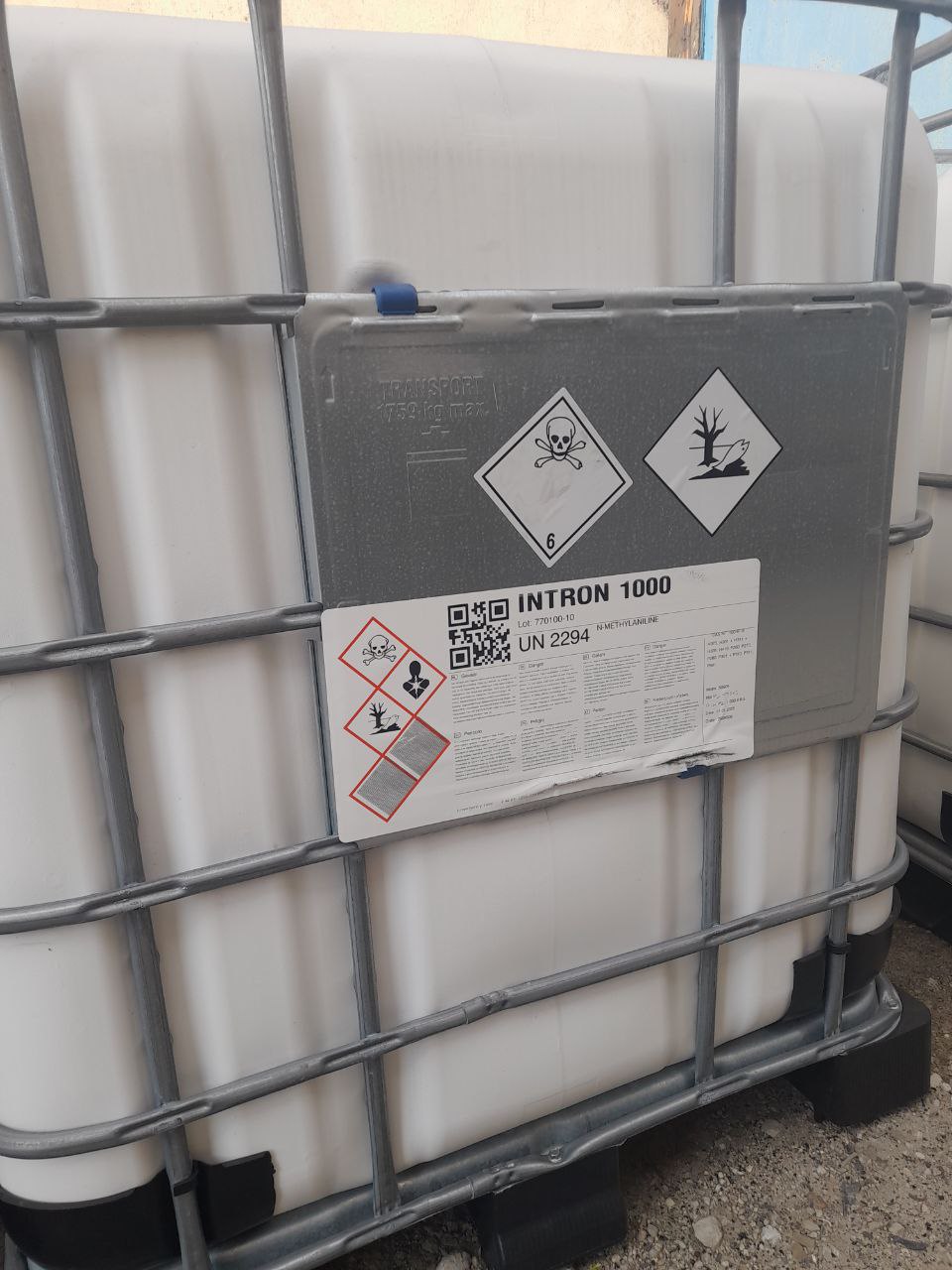
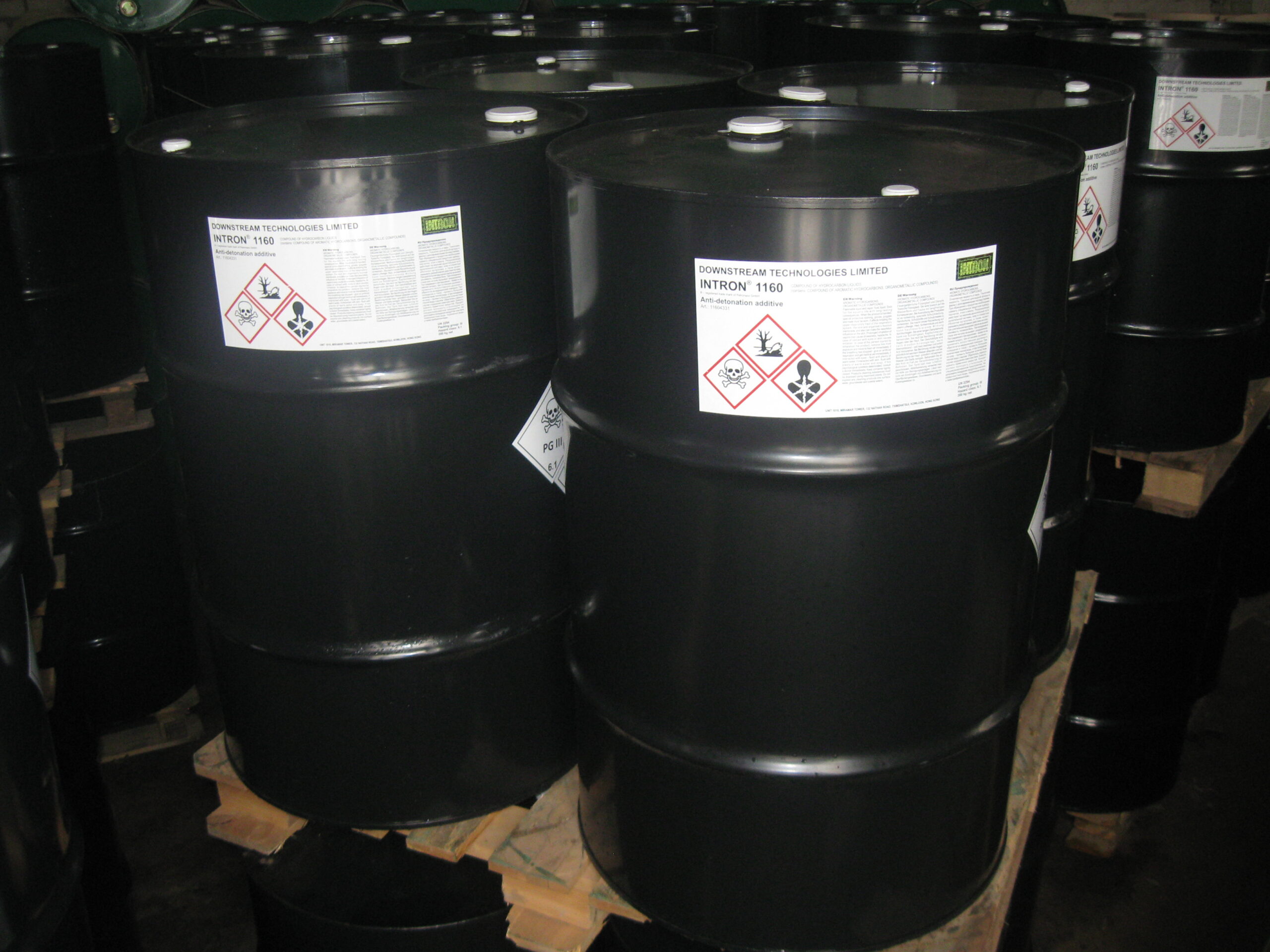
Packaging. Typically supplied in 200 L / 220 kg steel drums, 1,000 L IBCs, ISO tanks and bulk. Alternative packaging is available on request.

Storage. Store in a cool, dry, well-ventilated area away from heat, sparks and open flame. Keep containers tightly closed to prevent air exposure, which causes gradual darkening. Segregate from strong oxidising agents, strong acids and foodstuffs.

Handling and safety. N-Methyl Aniline is a toxic substance. It is harmful by inhalation, ingestion and skin absorption, and can cause methaemoglobinaemia as well as damage to the liver, kidneys and central nervous system on repeated or significant exposure. It is also hazardous to aquatic life.

Handling requires:

  • Appropriate personal protective equipment — chemical-resistant gloves, eye protection, protective clothing and, where required, respiratory protection
  • Adequate local exhaust ventilation and engineering controls
  • Compliance with applicable occupational exposure limits
  • Trained personnel and established spill and emergency procedures
  • Full compliance with national and regional chemical, transport and environmental regulations

Always read the current Safety Data Sheet in full before handling. The information above is a summary and does not replace the SDS, applicable regulations or your own risk assessment. Occupational exposure limits and recommended controls for N-methyl aniline are published in the NIOSH Pocket Guide to Chemical Hazards. The current PETRONAX SDS is available from our downloads section.


Frequently Asked Questions

What is the CAS number of N-Methyl Aniline? CAS 100-61-8. It is also listed under the synonyms monomethylaniline (MMA), N-methylaminobenzene and methylphenylamine.

How much does NMA raise gasoline octane? The RON uplift depends on the base gasoline composition and the treat rate used. NMA is recognised for delivering a substantial octane gain at comparatively low blend ratios, but the achievable result should always be confirmed by blend testing on your specific streams.

Is N-Methyl Aniline permitted as a gasoline additive? This depends entirely on the destination market. Some jurisdictions permit NMA within defined limits, others restrict or prohibit it in motor fuels. Verify the current fuel-quality regulations in your market before blending or importing.

Why does NMA turn yellow or brown? Aromatic amines oxidise slowly on contact with air and light. Colour development is normal over time and is minimised by storing material in sealed containers, protected from heat and light.

What purity does PETRONAX supply? High-purity commercial grade with batch-specific values reported on the Certificate of Analysis. Custom specifications can be discussed for demanding synthesis applications.

What order sizes are available? From drum quantities for R&D and small-scale production up to ISO tank and bulk parcels for refinery and industrial-scale users. Smaller volumes can be ordered directly through the PETRONAX shop.


Contact PETRONAX

Whether you are a refiner looking to optimise your octane pool, a dye manufacturer protecting shade consistency, or a synthesis chemist qualifying a new intermediate supplier, PETRONAX is ready to support you with high-quality N-Methyl Aniline and dependable global delivery.

Request a quotation, download a technical datasheet, or contact the PETRONAX team for a technical consultation. We reply within 24 hours, provide technical information within 2 hours and can dispatch samples within 3 days.


Disclaimer: This article is provided for general information only. Product specifications, permitted applications and regulatory status vary by market and are subject to change. Nothing here constitutes a warranty of fitness for a particular purpose or a guarantee of regulatory compliance. Customers are responsible for verifying that their intended use complies with all applicable laws and for handling the product in accordance with the current Safety Data Sheet.
by Petronax Petronax 21 Comments

INTRON 1000: Octane Additive that Enhances Gasoline Performance

The gasoline we use in our cars is a complex mixture of various hydrocarbons, additives, and contaminants. The precise composition of gasoline can vary depending on the crude oil source, refining process, and environmental regulations. However, one of the most important factors that determine the quality and performance of gasoline is its octane rating.

Octane rating is a measure of a fuel’s ability to resist “knocking,” which is an undesirable combustion phenomenon that occurs when the air-fuel mixture in an engine cylinder detonates prematurely. Engine knock can cause damage to the engine and reduce its performance and fuel efficiency. The higher the octane rating of gasoline, the better it can resist engine knock and provide a smoother and more efficient driving experience.

To increase the octane rating of gasoline, various octane booster additives can be used. One such additive is INTRON 1000, a colorless, clear liquid that is widely used in the gasoline refining process. In this article, we will explore the properties, benefits, and applications of INTRON 1000 as an octane booster additive.

Properties of INTRON 1000

INTRON 1000 is a colorless to light yellow liquid with a characteristic amine odor. It is soluble in water, ethanol, and most organic solvents, and has a boiling point of 197°C. INTRON 1000 is a weak base and can form salts with strong acids, such as hydrochloric acid (HCl).

INTRON 1000 is a versatile chemical that can be used in various applications, such as in the production of dyes, pharmaceuticals, and agrochemicals. However, one of the most important applications of INTRON 1000 is as an octane booster additive in gasoline.

How Does INTRON 1000 Increase Octane Rating?

To understand how INTRON 1000 works as an octane booster, we need to first understand how engine knock occurs. Engine knock is the result of the air-fuel mixture in the engine cylinder detonating prematurely, before the spark plug ignites it. This can happen when the air-fuel mixture is compressed too much or too quickly, causing it to ignite spontaneously.

One way to prevent engine knock is to use gasoline with a higher octane rating. Higher-octane gasoline can resist engine knock better than lower-octane gasoline because it burns more slowly and evenly, allowing for a more controlled combustion process.

However, it is not always possible or practical to produce gasoline with a high octane rating from crude oil alone. This is where octane booster additives like INTRON 1000 come in. INTRON 1000 can increase the octane rating of gasoline by slowing down the combustion process, which reduces the likelihood of engine knock.

Specifically, INTRON 1000 works by delaying the ignition of the air-fuel mixture in the engine cylinder. When gasoline with INTRON 1000 is injected into the engine cylinder, INTRON 1000 molecules are first vaporized and then mixed with the air and fuel. As the air-fuel mixture is compressed, INTRON 1000 molecules absorb heat from the combustion process and undergo a series of chemical reactions, which generate free radicals and other reactive species.

These free radicals and reactive species then react with the hydrocarbon molecules in the air-fuel mixture, causing a chain reaction that eventually leads to combustion. However, because INTRON 1000 molecules are present, they also react with the free radicals and reactive species, slowing down the chain

reaction and delaying the ignition of the air-fuel mixture.

This delayed ignition allows for a more controlled combustion process, which reduces the likelihood of engine knock. In addition, because INTRON 1000 is a weak base, it can react with acidic combustion products and neutralize them, preventing them from reacting with the engine components and causing corrosion.

Benefits of INTRON 1000 as an Octane Booster Additive

INTRON 1000 has several advantages over other octane booster additives, such as tetraethyl lead (TEL) and methyl tertiary butyl ether (MTBE). TEL was a popular octane booster additive in the past but was phased out due to its environmental and health hazards. MTBE was another popular octane booster additive but was also phased out due to its potential to contaminate groundwater.

Compared to TEL and MTBE, INTRON 1000 is a safer and more environmentally friendly octane booster additive. INTRON 1000 does not contain any heavy metals or halogens and does not produce harmful emissions or residues when burned in the engine. Moreover, INTRON 1000 is biodegradable and does not persist in the environment like TEL and MTBE.

In addition to its environmental benefits, INTRON 1000 has several technical advantages as an octane booster additive. INTRON 1000 is a highly efficient octane booster, capable of increasing the octane rating of gasoline by up to 5-7 points. Moreover, INTRON 1000 has a low vapor pressure and does not evaporate easily, which means it can be stored and transported safely without the risk of vapor leakage.

Applications of INTRON 1000 in the Gasoline Industry

INTRON 1000 is widely used in the gasoline industry as an octane booster additive. It can be added to gasoline either in the refinery or at the retail gas station. The optimal concentration of INTRON 1000 in gasoline depends on various factors, such as the initial octane rating of the gasoline, the engine type, and the operating conditions.

In addition to its use as an octane booster, INTRON 1000 can also be used as a corrosion inhibitor in gasoline. INTRON 1000 can react with acidic combustion products, such as sulfur dioxide and nitrogen oxides, and neutralize them, preventing them from corroding the engine components. Moreover, INTRON 1000 can form a protective film on the metal surfaces of the engine, reducing the likelihood of corrosion.

Petronax is a global leader in the production and sale of INTRON 1000 as an octane booster additive. Petronax has been producing and selling INTRON 1000 for over 10 years, serving customers in the United States, Europe, Asia, and other regions.

Petronax INTRON 1000 is produced using state-of-the-art technology and rigorous quality control procedures, ensuring that the product meets the highest standards of purity and performance. Petronax INTRON 1000 is also available in various grades and concentrations, tailored to the specific needs of the customers.

Petronax is committed to sustainability and environmental responsibility. Petronax INTRON 1000 is produced using eco-friendly processes and raw materials, minimizing the environmental footprint of the product. Moreover, Petronax INTRON 1000 is compliant with all relevant environmental and health regulations, ensuring the safety and well-being of the users.

INTRON 1000 is a versatile and efficient octane booster additive that can enhance the performance and quality of gasoline. INTRON 1000 works by delaying the ignition of the air-fuel mixture in the engine cylinder, reducing the likelihood of engine knock and improving the fuel efficiency and driving experience. INTRON 1000 is also a safer and more environmentally friendly alternative to other octane booster additives, such as TEL and MTBE.


by Petronax Petronax

Why INTRON® 1000 series is the best RON improver?

Octane boosters are a type of fuel additive that can be used to increase the octane rating of gasoline. These additives are used to improve engine performance and fuel efficiency, as well as reduce emissions. The INTRON 1000 series of octane boosters, produced by PETRONAX, is a high-performance product that has been designed to increase the Research Octane Number (RON) of gasoline by up to 18 points. In this article, we will take a closer look at the super properties of the INTRON 1000 series of octane boosters.

First and foremost, the INTRON 1000 series of octane boosters is highly effective at increasing the RON of gasoline. RON is a measure of a fuel’s resistance to knocking or detonation, which can cause engine damage and reduce performance. The higher the RON number, the better the fuel’s ability to resist knocking. The INTRON 1000 series has been specifically formulated to provide maximum RON increase, which can result in improved engine performance, better fuel economy, and reduced emissions.

One of the key benefits of the INTRON 1000 series of octane boosters is that they are highly versatile. These additives can be used with a wide range of gasoline grades and are suitable for use in both leaded and unleaded gasoline. This means that they can be used in a variety of vehicles, including cars, trucks, motorcycles, and boats. This versatility makes the INTRON 1000 series a popular choice among consumers and professionals alike.

Another key benefit of the INTRON 1000 series of octane boosters is their ability to clean the engine and fuel system. Over time, deposits can build up in the engine and fuel system, which can reduce performance and increase emissions. The INTRON 1000 series contains powerful detergents and dispersants that can help to break down and remove these deposits, resulting in improved engine performance and reduced emissions.

The INTRON 1000 series of octane boosters is also highly effective at reducing engine knock and ping. These noises can be caused by a number of factors, including low-quality fuel, overheating, and engine wear. The INTRON 1000 series contains ingredients that can help to reduce engine knock and ping, resulting in a smoother and quieter engine.

In addition to these benefits, the INTRON 1000 series of octane boosters is also highly cost-effective. By improving engine performance and fuel efficiency, these additives can help to save money on fuel costs over time. Additionally, by reducing engine wear and prolonging the life of the engine, these additives can help to save money on maintenance and repairs.

Finally, it is important to note that the INTRON 1000 series of octane boosters is backed by rigorous testing and quality control measures. These products are tested in state-of-the-art laboratories and undergo strict quality control checks to ensure that they meet the highest standards of performance and quality. This ensures that consumers can rely on the INTRON 1000 series to deliver consistent and reliable results.

In conclusion, the INTRON 1000 series of octane boosters is a highly effective and versatile product that can provide significant benefits to vehicle owners and professionals alike. With its ability to increase RON by up to 18 points, clean the engine and fuel system, reduce engine knock and ping, and save money on fuel costs and maintenance, it is no wonder that the INTRON 1000 series is a popular choice among consumers and professionals in the automotive industry